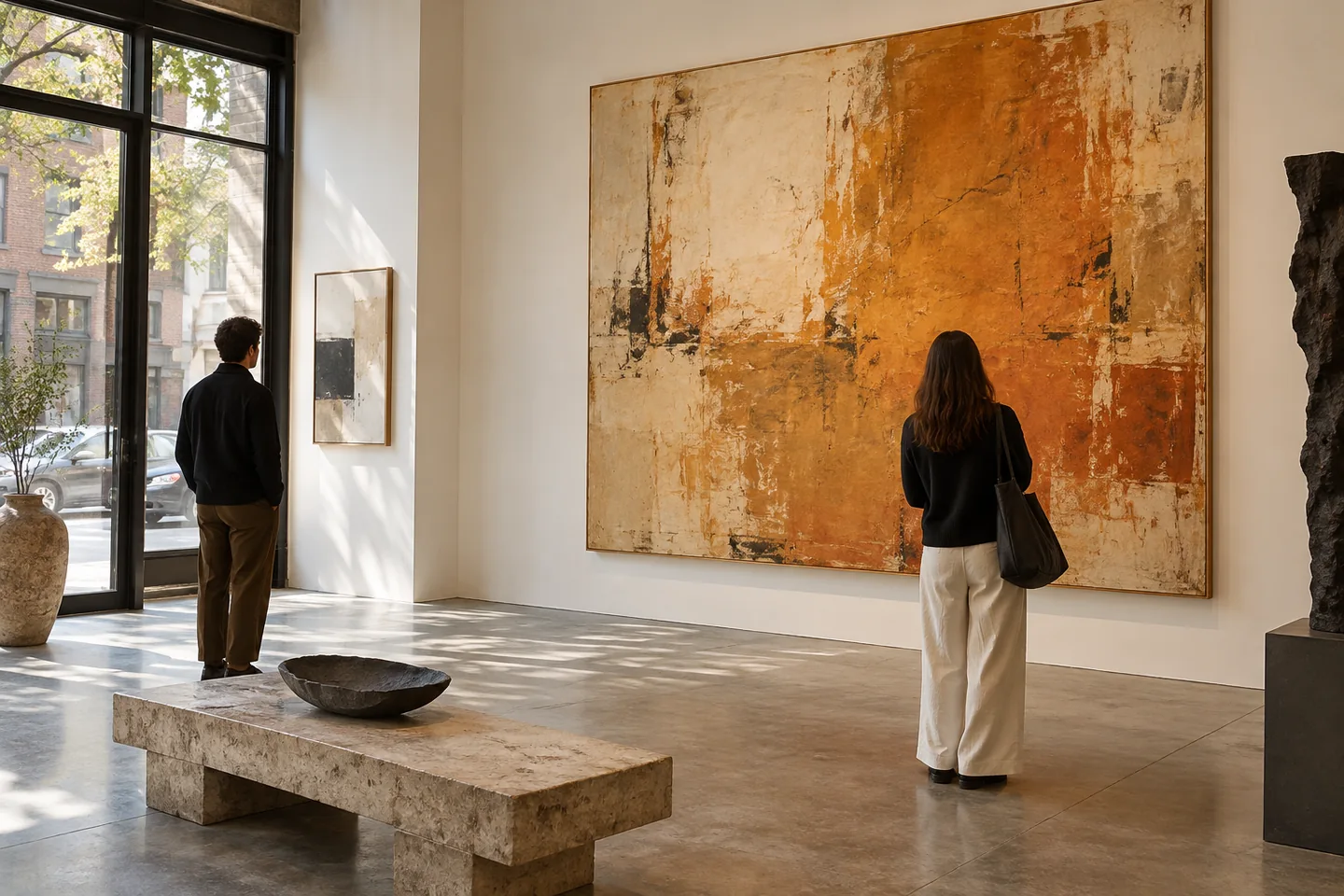
How to Explore a City’s Art Scene Beyond the Major Museums
Follow artists, independent spaces and public work to build a smaller, richer cultural route.
Read the guide: Explore a City’s Art Scene Beyond Major Museums ↗Art, everyday style and the spaces that bring us together. A closer look at the cities we live in.
Start with the art scene ↗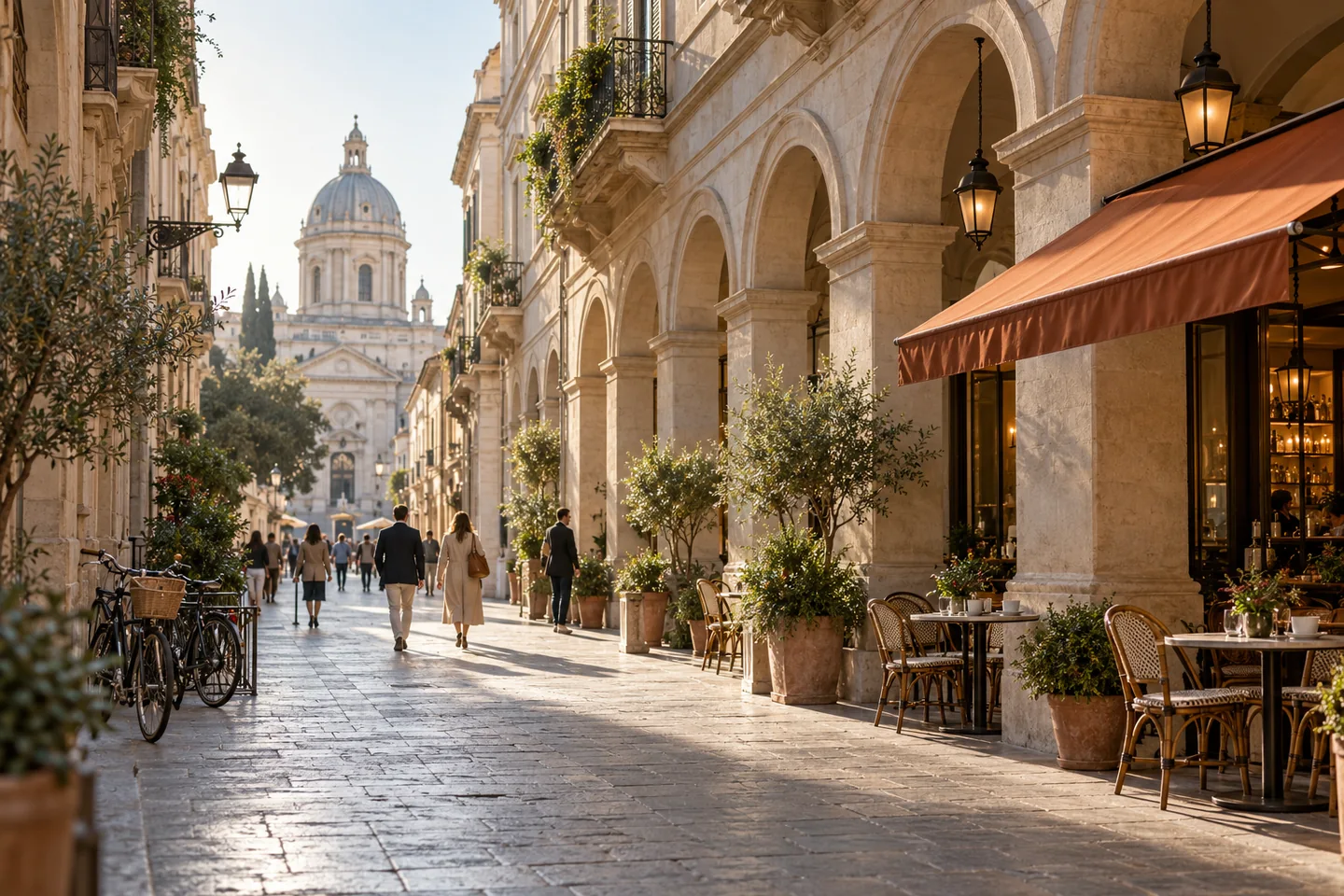
A city's cultural life is not contained by its most photographed buildings. It also happens in the room above a bookshop, at a small performance before the last train, in a workshop window and on a bench where different generations share the same square. CityLately looks at the relationships between those places: how people make culture, how others encounter it, and how the city supports or complicates the exchange.
We publish guides, essays and visual studies about city life, art, exhibitions, music, style and architecture. Some begin with a practical question about visiting. Others ask why an ordinary detail—a doorway, a garment, a recurring performance—deserves a second look. The common purpose is clear observation. You should leave a piece with something useful to do, a more precise way to describe what you saw, or a question worth carrying into your next outing.
This edition starts with the art scene beyond major museums and follows that thread into the spaces, clothes and gatherings around it. There is no single correct route through a city. Begin with your strongest interest, make the essential checks and keep enough time to change your mind.
Follow artists, independent spaces and public work to build a smaller, richer cultural route.
Read the guide: Explore a City’s Art Scene Beyond Major Museums ↗
Read clothing through movement, materials and context, without turning a neighborhood into a costume.
Read the feature: Street Style and the Everyday Identity of a City ↗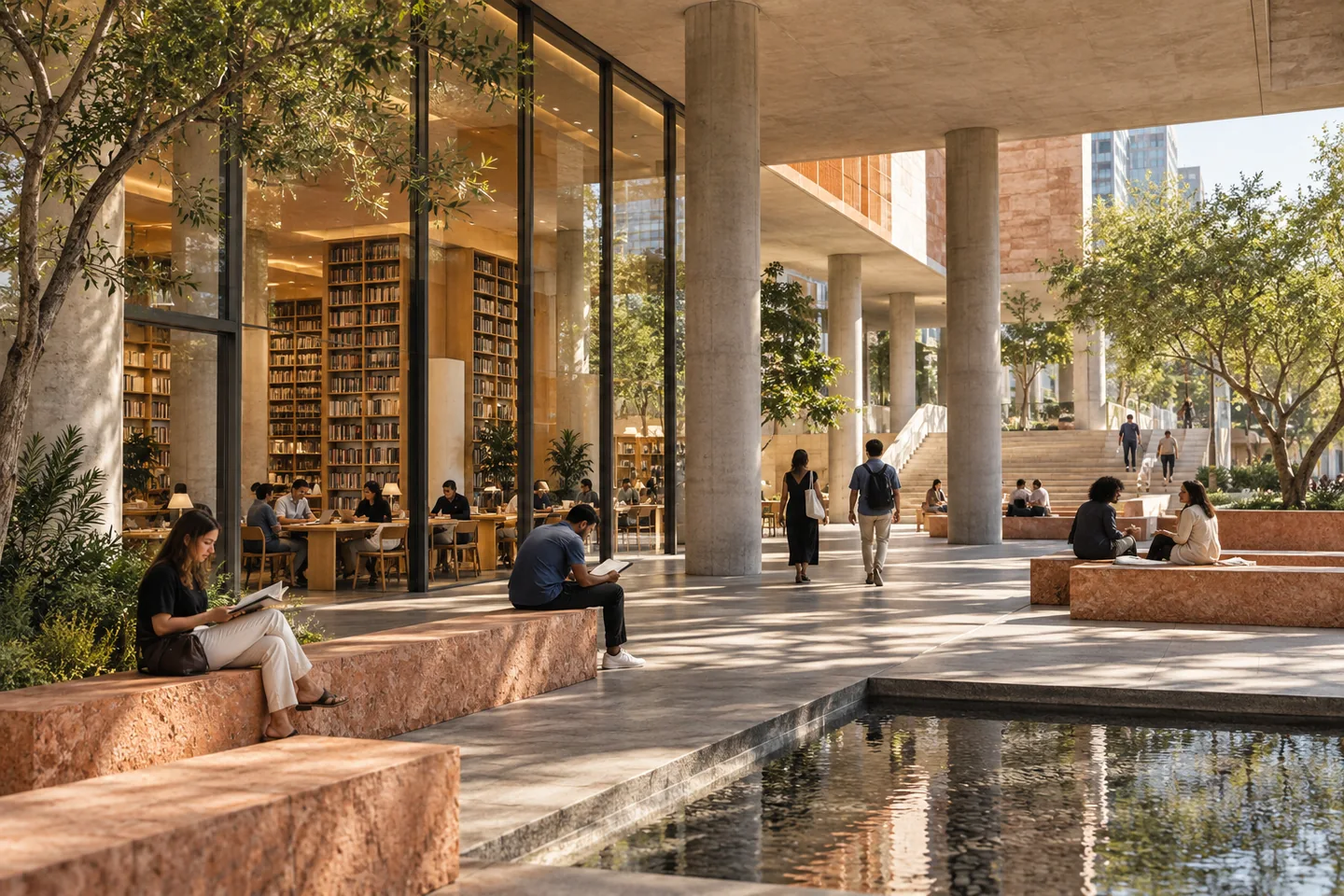
A field guide to arrival, movement, rest and the ordinary details that make places usable.
Read the feature: Architecture and the Experience of Everyday City Life ↗Neighborhoods are often presented as complete identities: creative, historic, fashionable, overlooked. Those labels can be convenient, but they flatten places where different lives coexist. A more useful approach begins with a question. How do people use this square after work? Where does a local musician rehearse? What makes a gallery welcoming to someone who has never visited before?
A question changes what you notice. Instead of collecting attractive facades, you might follow the transition from a public pavement to a cultural building. Instead of looking for a district's definitive outfit, you might observe how people adapt their clothes to cycling, rain and an evening out. The city becomes a set of relationships rather than a list of surfaces.
Keep the scale manageable. A single block can contain an exhibition space, a repair shop, a cafe and an entrance to public transport. Looking closely at the connections between them may teach you more than crossing town to assemble a gallery of disconnected highlights. Our culture-focused weekend framework turns that idea into a practical plan built around one anchor experience each day.
A major museum can give an unfamiliar subject a clear introduction. Smaller spaces can offer a different encounter: a focused body of work, an artist's experiment, a local conversation or a chance to see how an exhibition is assembled. Neither scale is inherently more authentic. They provide different conditions for attention, and a thoughtful afternoon can make use of both.
Start with the work rather than a promise of exclusivity. Read an exhibition's own description, identify the artist or organizer and check how visiting works. A studio is not automatically public, a gallery opening may require an invitation, and an attractive old listing may describe an event that has already finished. These distinctions are ordinary preparation, not barriers to participating.
Once inside, give yourself permission to see fewer things. Describe a material, a repeated form or the relationship between two works before deciding whether you like the exhibition. Tate's guide to slow looking offers a useful starting point for sustained attention. Our art-scene field guide adds a method for finding connected spaces and making a compact route between them.
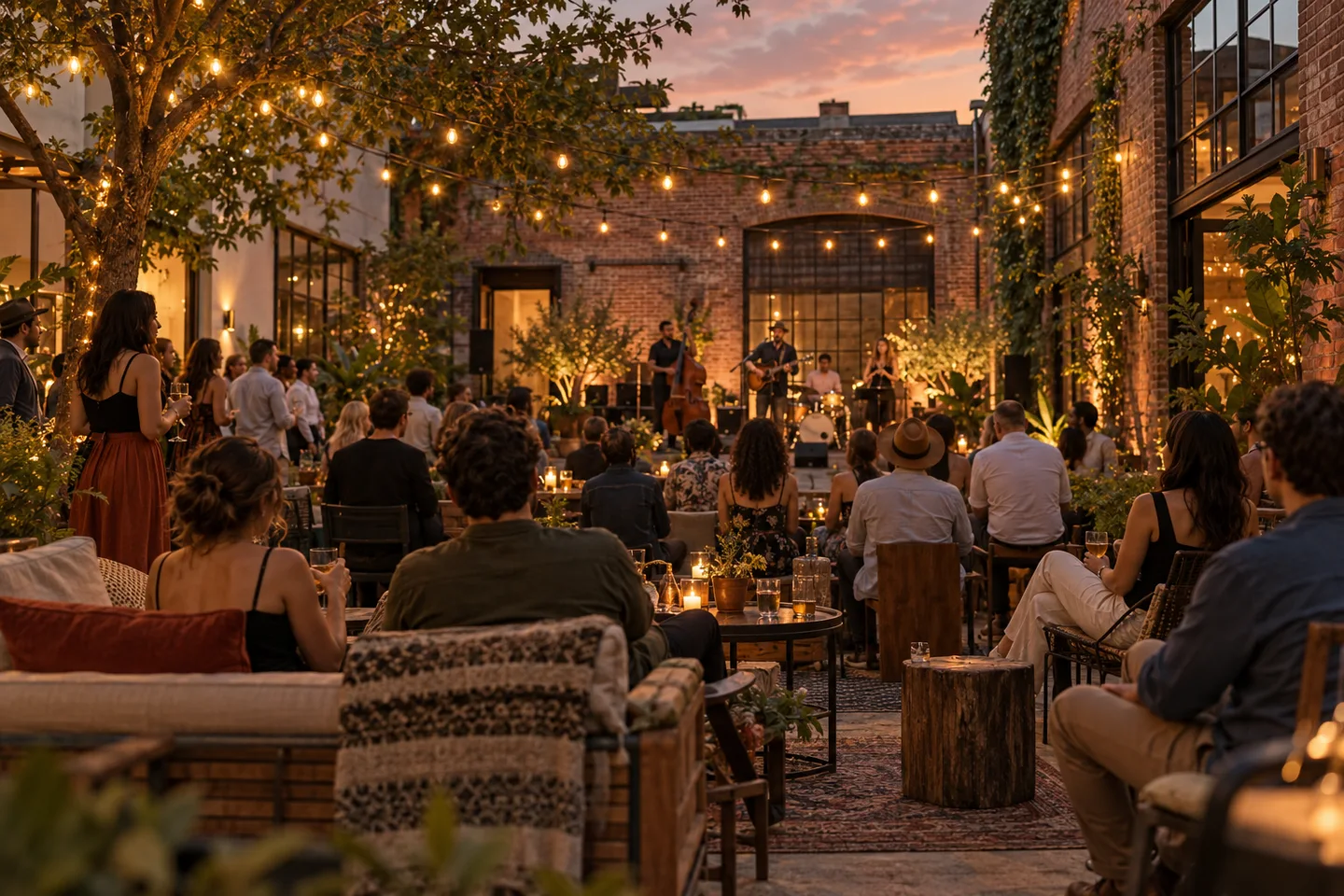
A live performance asks something different from a recording. It takes place at a particular moment, among people whose attention becomes part of the experience. A familiar room can change when it is filled with music; a temporary stage can alter how a square is understood. The attraction is not only proximity to the performer. It is the shared decision to spend time listening together.
That pleasure deserves a clear view of its conditions. Tickets, access, transport and the needs of neighboring residents shape who can participate and how an event is received. A successful gathering is not proved by a crowded photograph. Look at how people arrive, whether practical information is easy to find and what opportunities remain for local work after the stage has gone.
Our essay on live music and urban festivals considers the network around a performance: venues, collaborators, audiences and everyday streets. It asks how recurring events build familiarity and why cultural value should be described carefully rather than defended with unsupported economic figures. Enjoying a night out and asking better questions about its setting are compatible forms of attention.
Street style is often photographed as a finished look. Daily life keeps changing it. A coat is opened on the train, a shoe is chosen for the walk home, a bag holds materials for work, and a repaired hem keeps a favorite garment in use. These adjustments are not interruptions to fashion. They are part of how clothes acquire meaning in a city.
Look for relationships rather than a supposed local uniform. How do people layer against the weather? Which materials carry through different settings? Where are clothes altered, repaired, exchanged or bought secondhand? These questions connect style with practical life without requiring us to infer a stranger's identity from an outfit.
Our street-style feature explores that approach. Two additional fashion features retain historical CityLately paths while clearly identifying their newly written content. One examines how fashion-publication images are constructed; the other studies silhouette and making in couture. Together they distinguish an image's visual atmosphere from the facts that documentation can actually establish.
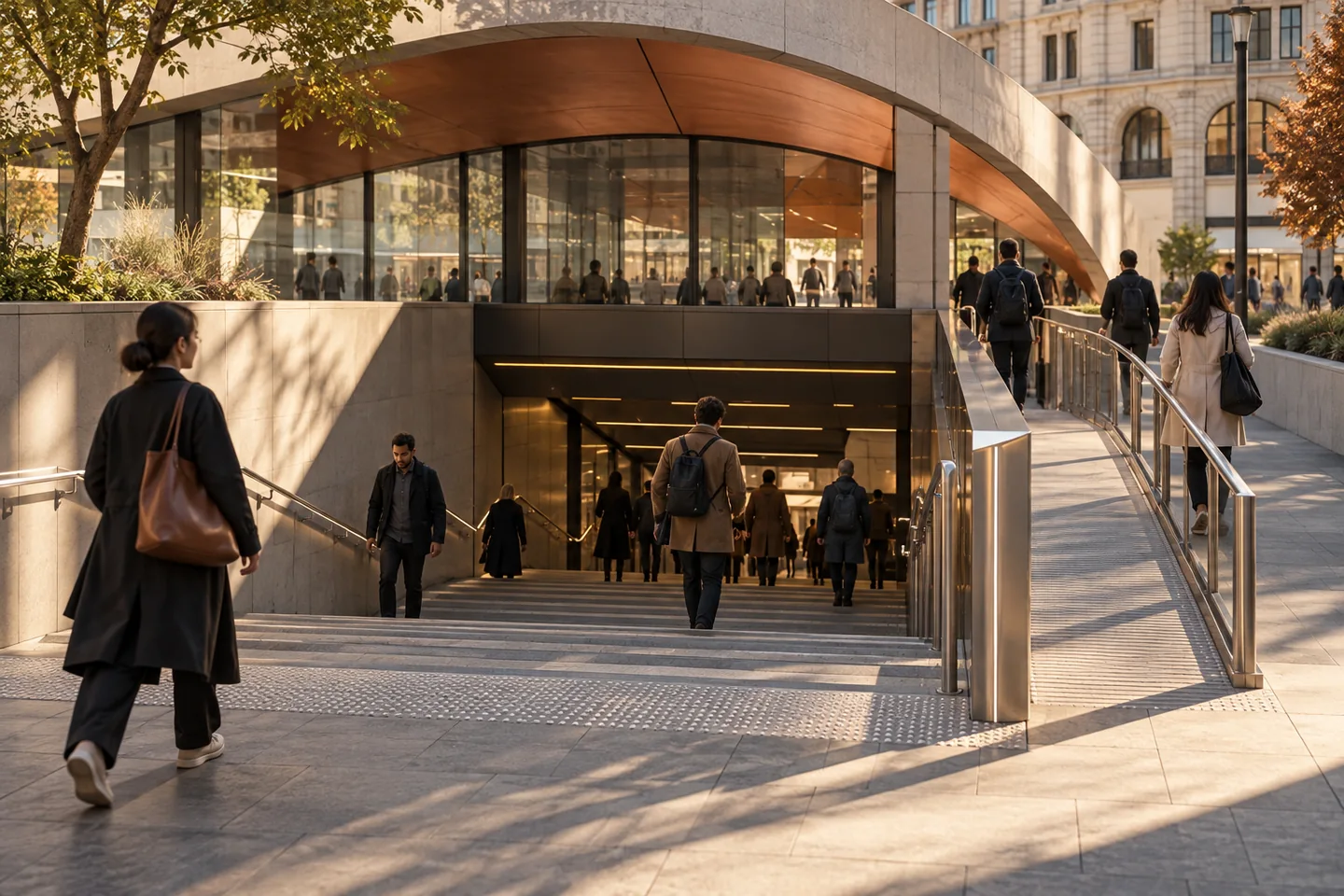
The walk to an exhibition can be part of the cultural day. Notice how a library meets the pavement, where a station lets you pause, or whether a plaza offers somewhere to sit without buying anything. These details influence who can use a place and for how long. They are as relevant to city experience as an impressive skyline.
Architecture can be read through a simple sequence: arrival, movement, rest, information and departure. Is the door visible from the approach? Can you understand the next step? Does the route work for the people traveling with you? Do the available signs answer practical questions at the moment they arise? The answers should be based on observation and verified access information, not a building's reputation.
Our everyday architecture guide develops that method. It also explains the limits of a single visit. A square seen on a sunny afternoon may operate differently in rain or after dark. Describing those conditions makes an observation more useful and leaves room for people whose experience of the same space differs from our own.
Cultural plans work better when a few practical systems are checked separately. Start with the organizer's event page for dates, admission and the actual entrance. Use the transport operator for services and the venue for access arrangements. A museum's general opening hours do not establish the schedule of a special program, and a ticket confirmation does not answer every question about the journey.
For a driving trip to a performance, VenueGuideHQ's venue parking guides can help identify parking topics to investigate. Verify the current price, booking terms, operating hours and departure arrangements with the venue or parking operator. Build a route that includes the walk from the parking area, rather than treating arrival at a map pin as arrival at your seat.
For a weekend involving a flight, BaggageBase's airline baggage guidance can help you research luggage questions before packing. Confirm your allowance with the airline for the fare and journey booked. Keep that decision separate from local storage: an airline's carry-on allowance tells you nothing about what a gallery cloakroom accepts or whether accommodation can hold a case after checkout.
Before a concert or major event, BagPolicyGuide's venue bag resources provide another starting point for finding the relevant questions. The venue's current instructions remain the authority on permitted dimensions, restricted items and exceptions. Never assume storage is available for something refused at entry. Our concert preparation checklist joins these checks into a manageable sequence that includes the journey home.
These are project-related supplementary resources, not independently audited recommendations or official venue, airline or museum instructions. Use them for orientation and follow their leads to the relevant operator. The purpose of preparation is not to fill the day with rules. It is to settle the decisions that would otherwise interrupt the experience when you arrive.
An empty interval is useful. It can absorb a delayed train, but it can also let you stay with a work that unexpectedly interests you. It makes time for food, a conversation or a quieter route. A weekend planned entirely around timed admissions can leave no room for the cultural encounters it was meant to create.
Choose an optional stop near each main activity and accept that it may remain optional. Do not turn an inclusive ticket or a saved list into an obligation to keep moving. If you need to rest, the pause is part of the plan. If weather changes, a nearby indoor alternative is more useful than a distant attraction with a better reputation.
The same approach works at home. You do not need a full weekend away to visit one exhibition or return to a public space under different conditions. Familiar places can reward repeated observation. A route taken slowly after work may offer a more meaningful encounter than a hurried day built to look impressive afterward.
Begin with the exhibition visiting guide if the practical side of galleries feels uncertain. It separates invitation types, access questions and looking exercises so that the visit can suit your interests. Continue to the wider art-scene guide when you want to connect a single exhibition with the people and spaces around it.
For an evening out, pair the concert guide with the live-music essay. One handles the decisions that affect attendance; the other considers what the gathering means within the city. For a more visual route, read the street-style feature beside the architecture guide and observe how clothes and buildings both negotiate everyday movement.
Each article is intended to stand on its own while opening a useful connection to another subject. You can follow those links as a reading sequence or use one piece to plan a real outing. The goal is a small, coherent body of work rather than a collection of near-identical pages built around different keywords.
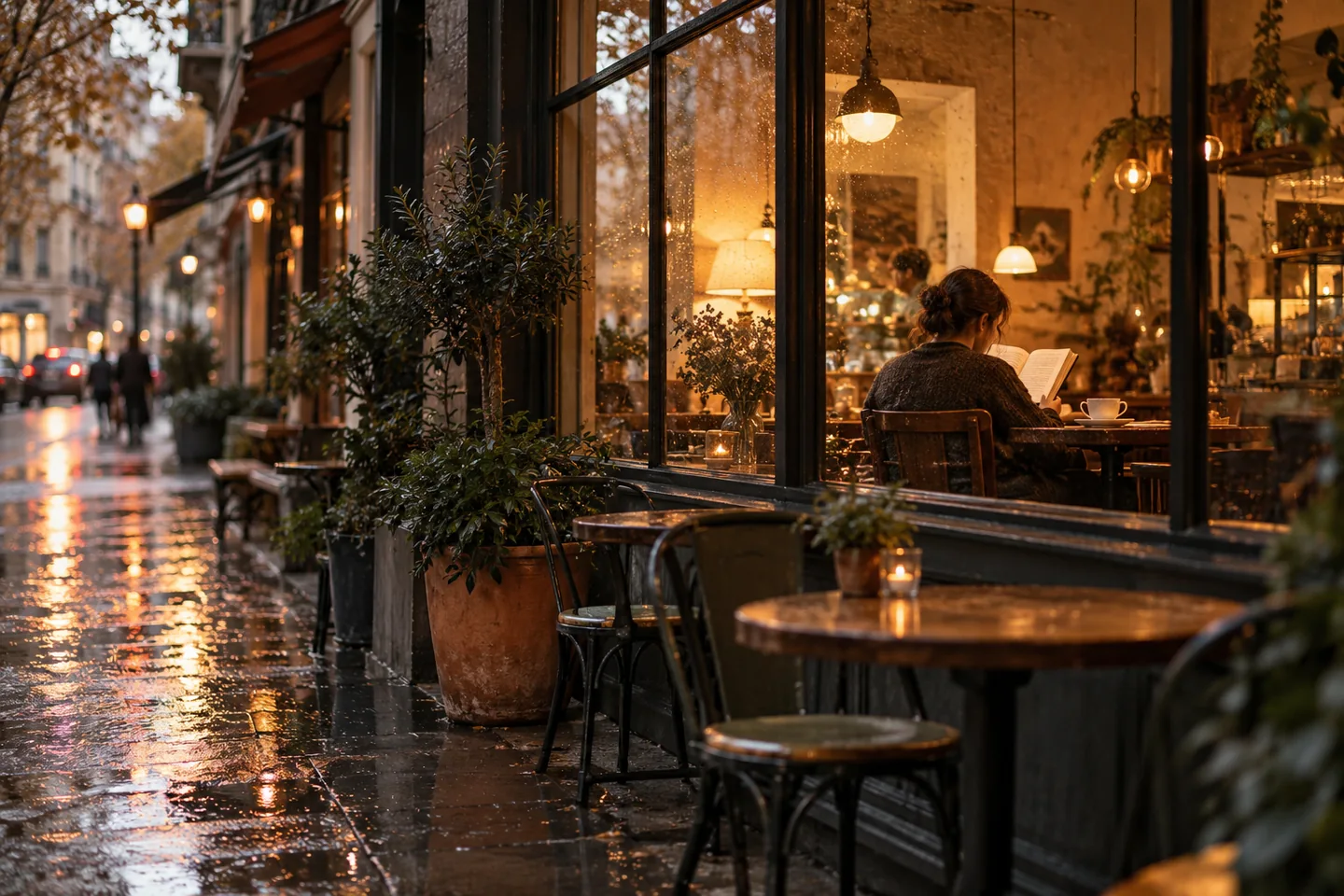
Choose one anchor each day, keep your route compact and leave room for the unplanned hour.
A newly written visual study at a retained historical path, examining context, material and sequencing.
A newly written feature about proportion and making, with clear boundaries between evidence and interpretation.
CityLately separates practical guidance, documented facts and editorial interpretation. We do not invent firsthand attendance, interview subjects, historical dates or professional credentials. Where an old page cannot be authenticated, a replacement is identified as new writing. Illustrative images support the visual experience without being offered as evidence of a named event or location.
Our editorial policy and fact-checking policy explain the approach. Cultural life changes, and practical details can change faster than an essay's central argument. When an opening hour, admission rule or transport arrangement matters to your decision, return to the current official information. A useful guide should help you ask the right questions and make the limits of its evidence visible.
Read a feature, choose a place and give it a little more attention than you otherwise might. Culture becomes easier to find when the city stops being a checklist and begins to look like a place people are continually making together.