A signature couture look can be read through silhouette, material, proportion and technique rather than through a list of famous appearances. This approach makes it possible to discuss why a garment holds attention while keeping historical claims separate from visual interpretation. It also prevents a striking runway image from becoming an unsupported story about who wore what and when.
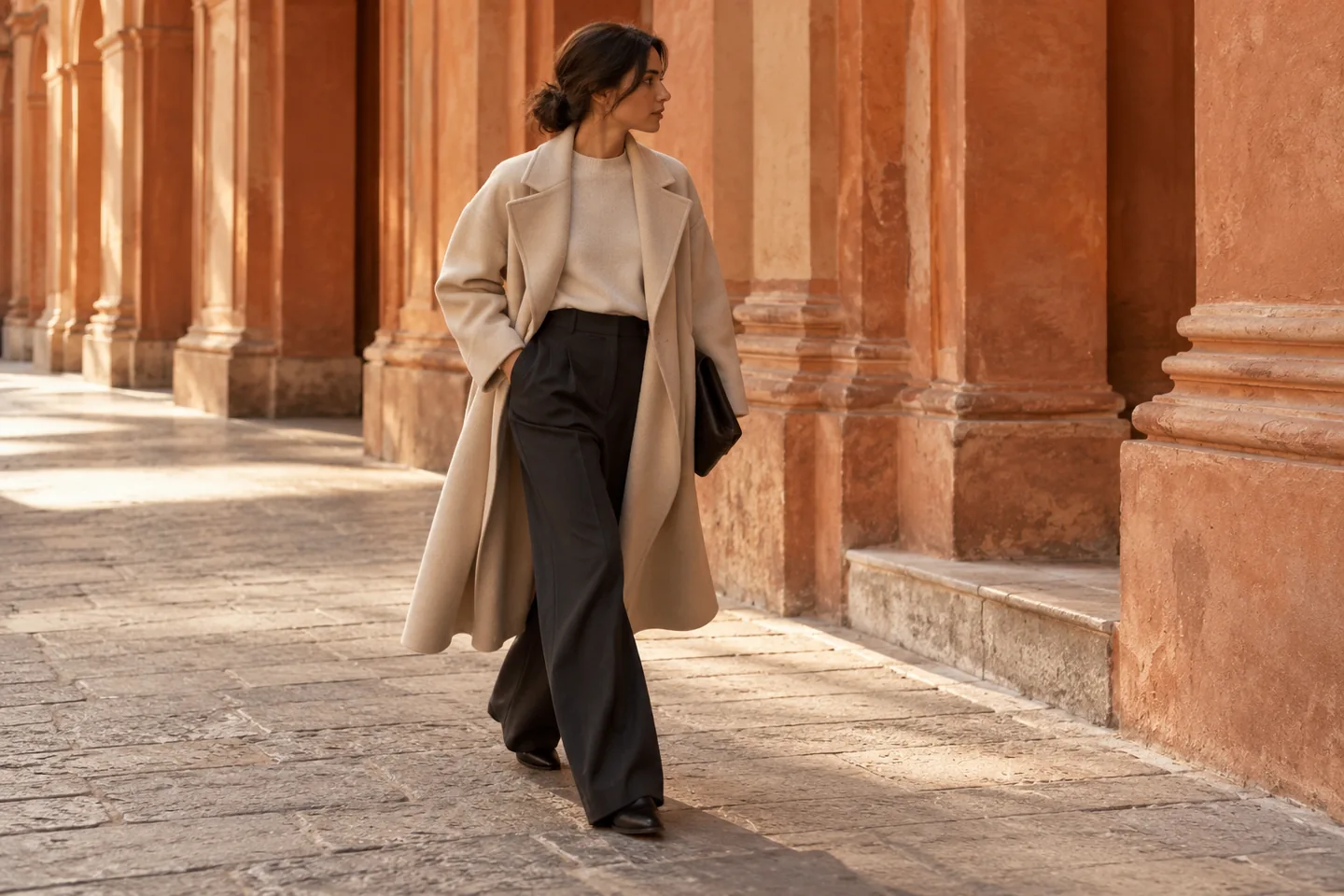
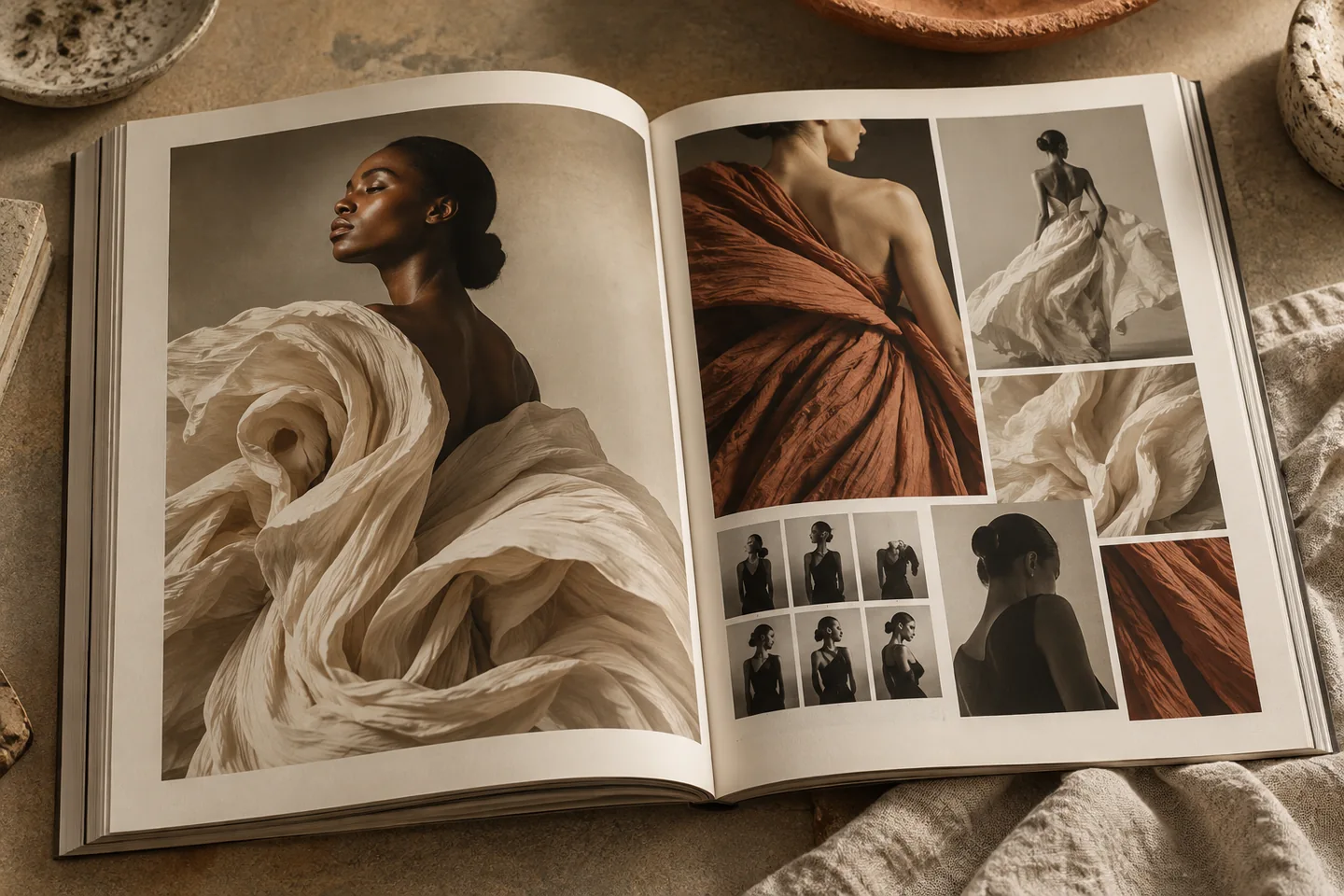
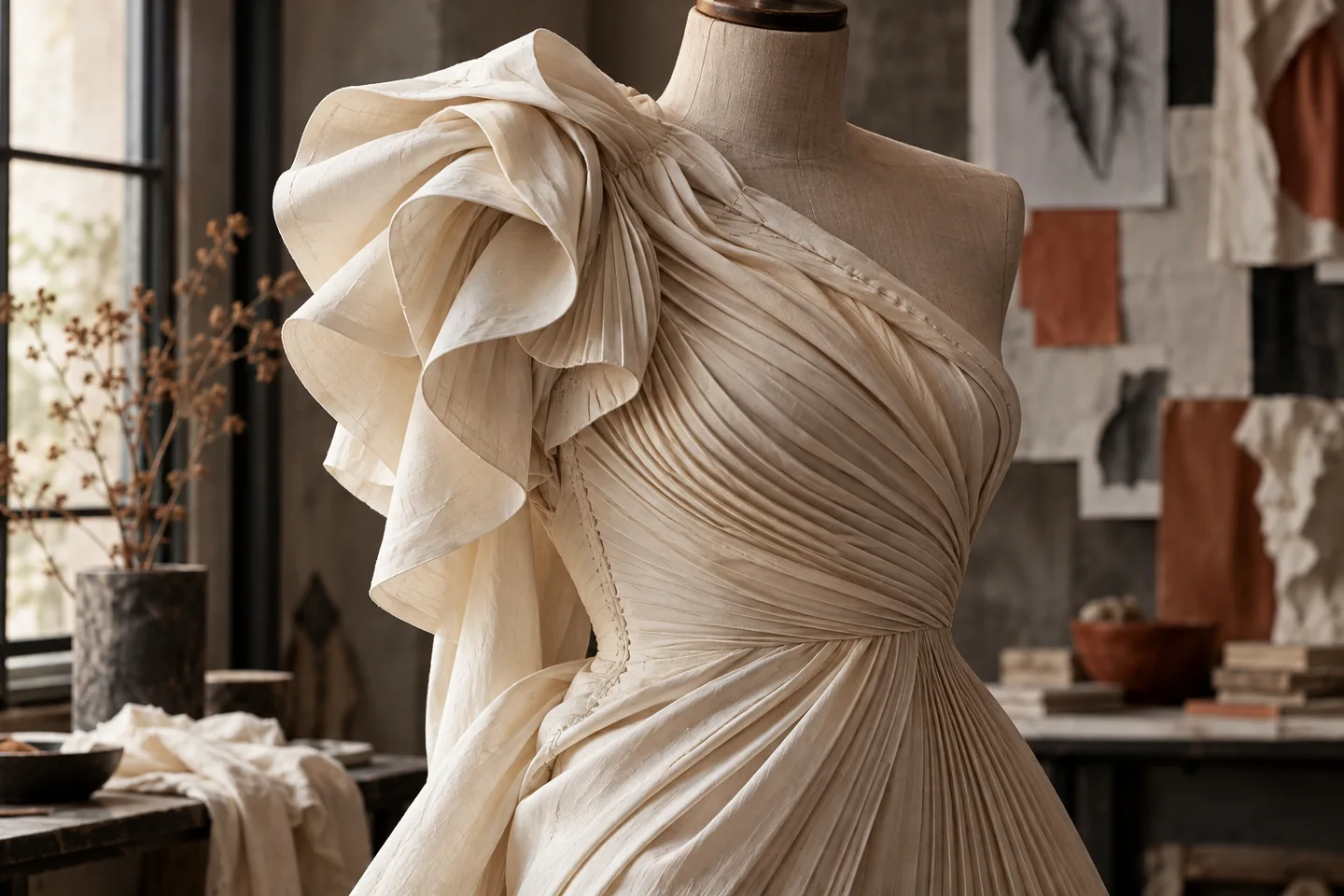
Historical-path note: This is an original replacement feature at a preserved CityLately URL. No authenticated copy of the former article was recovered. Its historical author, publication date and selection of looks remain unverified. The analysis below is newly authored, and the accompanying visual is illustrative rather than a photograph of a documented runway event.
Begin with the outline
A silhouette describes the relationship between a garment and the body: where volume expands, where a line narrows and how the figure meets the surrounding space. A reader can begin with these visible qualities before identifying a designer. Look at the shoulder, waist, hem and the balance between front, side and back views.
A single runway photograph can distort that reading. A step, a turn or a camera angle may temporarily exaggerate volume. Seek several documented views when assessing a specific garment. If only one image is available, describe the view rather than claiming to know the entire construction. “The skirt appears broad in this frame” is a narrower, more defensible observation than a confident technical explanation.
Put the couture idea in historical context
The Metropolitan Museum of Art's essay on Charles Frederick Worth and his house places Worth's work within the development of the Paris couture system in the nineteenth century. It offers a documented starting point for understanding a business and design history that cannot be reduced to a spectacular dress.
Couture should not become a loose synonym for any elaborate clothing. When classifying a contemporary house or event, consult the relevant official fashion body and the house's own records. This feature uses couture as a historical and design subject; it does not provide a current membership list or attribute unnamed illustrative garments to recognized couture houses.
Study how material holds an idea
A similar outline can be produced through very different means. Pleating, gathering, layering and internal support each create distinct relationships between surface and volume. The visible result may suggest a technique, but identifying exactly how it was achieved requires a reliable description or direct examination.
Start with observations: repeated folds, a translucent layer, a sharply held edge or a change in surface density. Then separate what you see from what you infer. A garment may look heavy without being heavy; a soft appearance may conceal substantial support. A useful fashion analysis explains the visual effect first and cites construction information only when it has evidence for the claim.
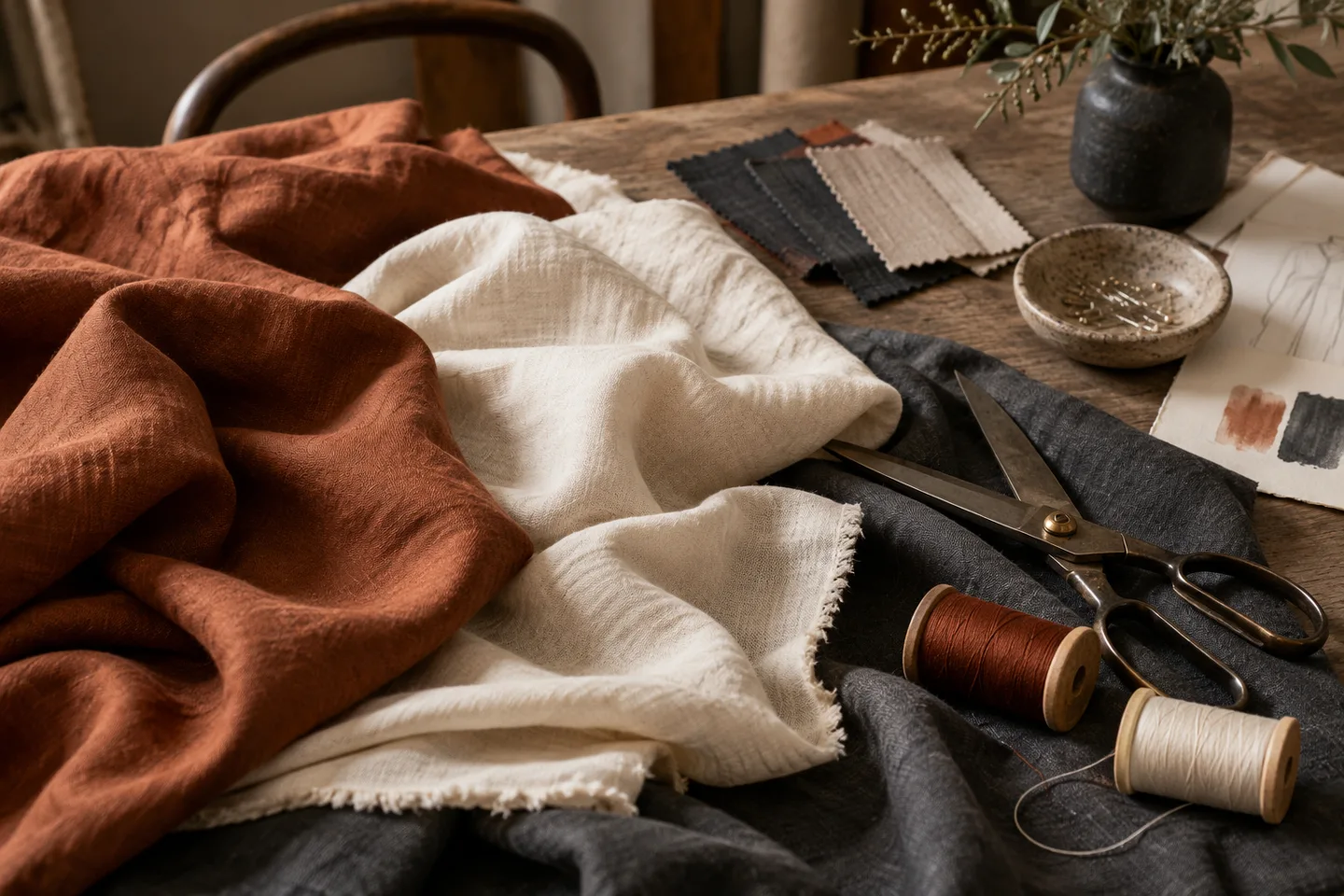
Color changes the perception of structure
A dark garment can make an outline read as a single shape, while a pale surface can reveal folds through shadow. Pattern may reinforce a seam or complicate the perception of scale. These effects depend on lighting, photography and screen reproduction as well as the garment itself.
When comparing looks, try to hold the viewing conditions in mind. A bright studio image and a dim runway photograph can make similar surfaces appear unrelated. Avoid ranking craftsmanship from image clarity alone. The better question is what the available view allows you to observe, and which questions would need a detail photograph, technical account or object examination to answer responsibly.
A memorable look need not be a simple emblem
Fashion coverage often compresses a collection into one image. That can create a recognizable reference, but it can also obscure the thinking developed across several looks. A single extreme silhouette may read differently when seen beside quieter pieces that repeat its construction or color relationships.
For a documented collection, examine the sequence and the designer's stated account, then distinguish that account from your interpretation. Repeated elements can suggest a shared concern, but do not invent an intention because a pattern seems clear to you. A persuasive analysis can say that several looks emphasize a particular proportion without claiming private access to the designer's mind.
The runway and the street ask different questions
A runway presentation can test visual possibilities under controlled conditions. Daily clothing must work through weather, transit, storage, maintenance and repeated wear. That difference does not make one form serious and the other trivial. It explains why inspiration is often translated rather than copied directly.
A sculptural shoulder might become a modest change in the cut of a coat; a dramatic textile contrast might suggest pairing garments already owned. Our street-style feature examines the practical negotiations behind those choices. Borrowing a relationship of line or texture can be more thoughtful than buying an imitation that retains the spectacle while losing the original quality of making.
Build a precise visual note
When you encounter a documented fashion image, record its source, attribution and date before making interpretive notes. Then write four short observations: outline, surface, proportion and movement. Add a separate question about construction. This keeps evidence and interpretation close without confusing them.
If you share an image, check rights and preserve the relevant credits. If you use a new illustration instead, label it accordingly rather than presenting it as archival material. Our fashion-publication feature explores how presentation shapes meaning. Couture rewards the same care: close looking, exact language and a willingness to leave a question open when the available record cannot settle it.