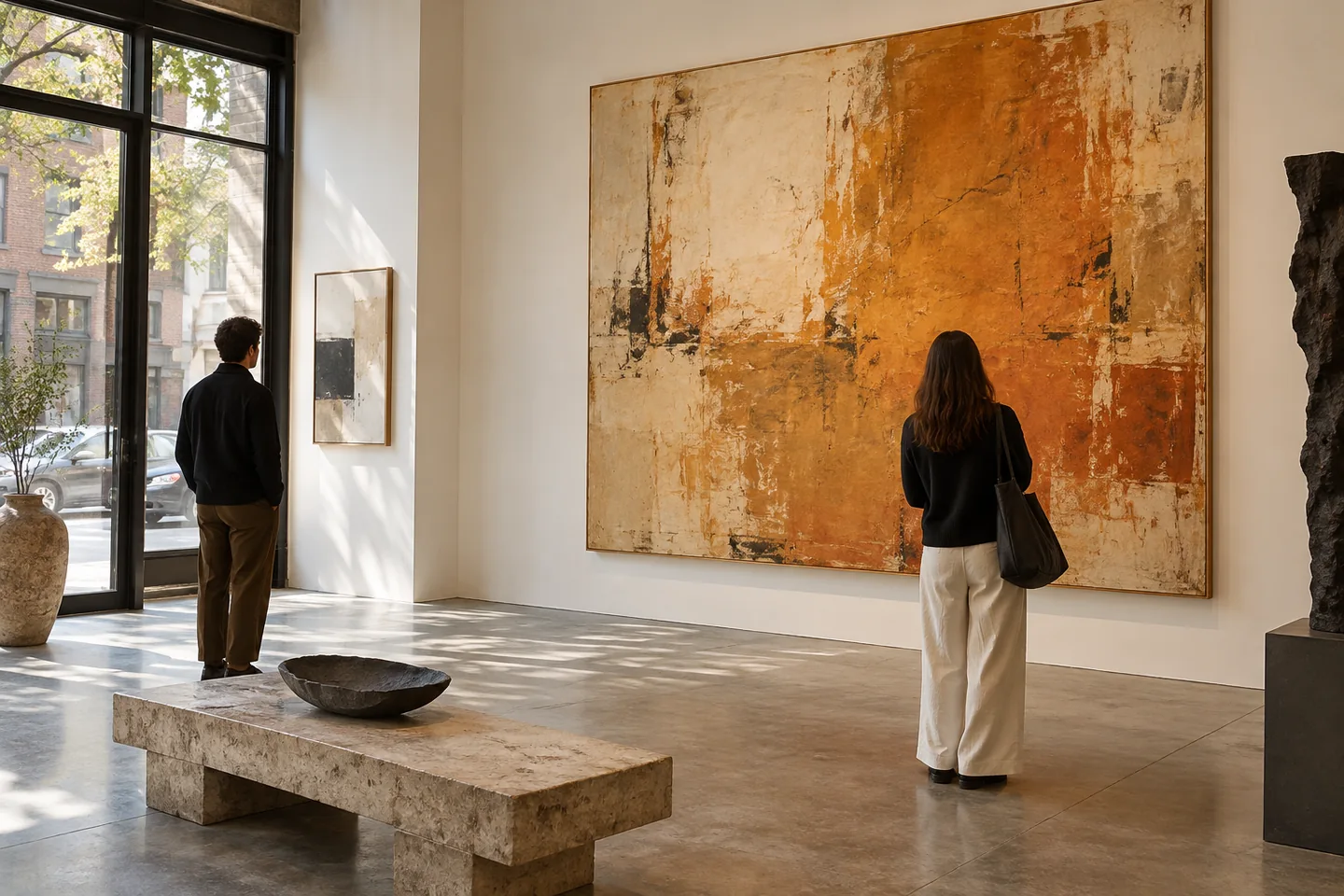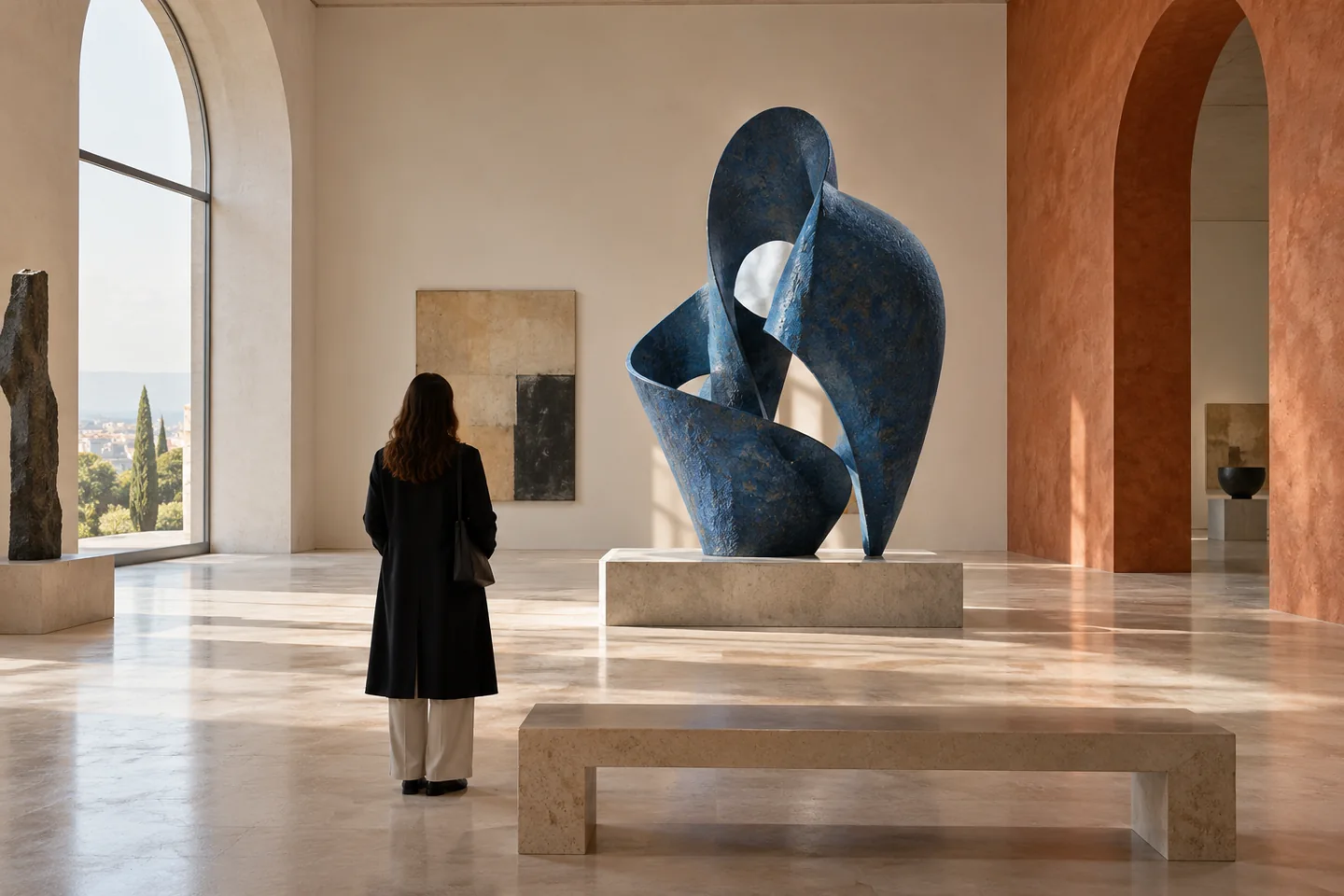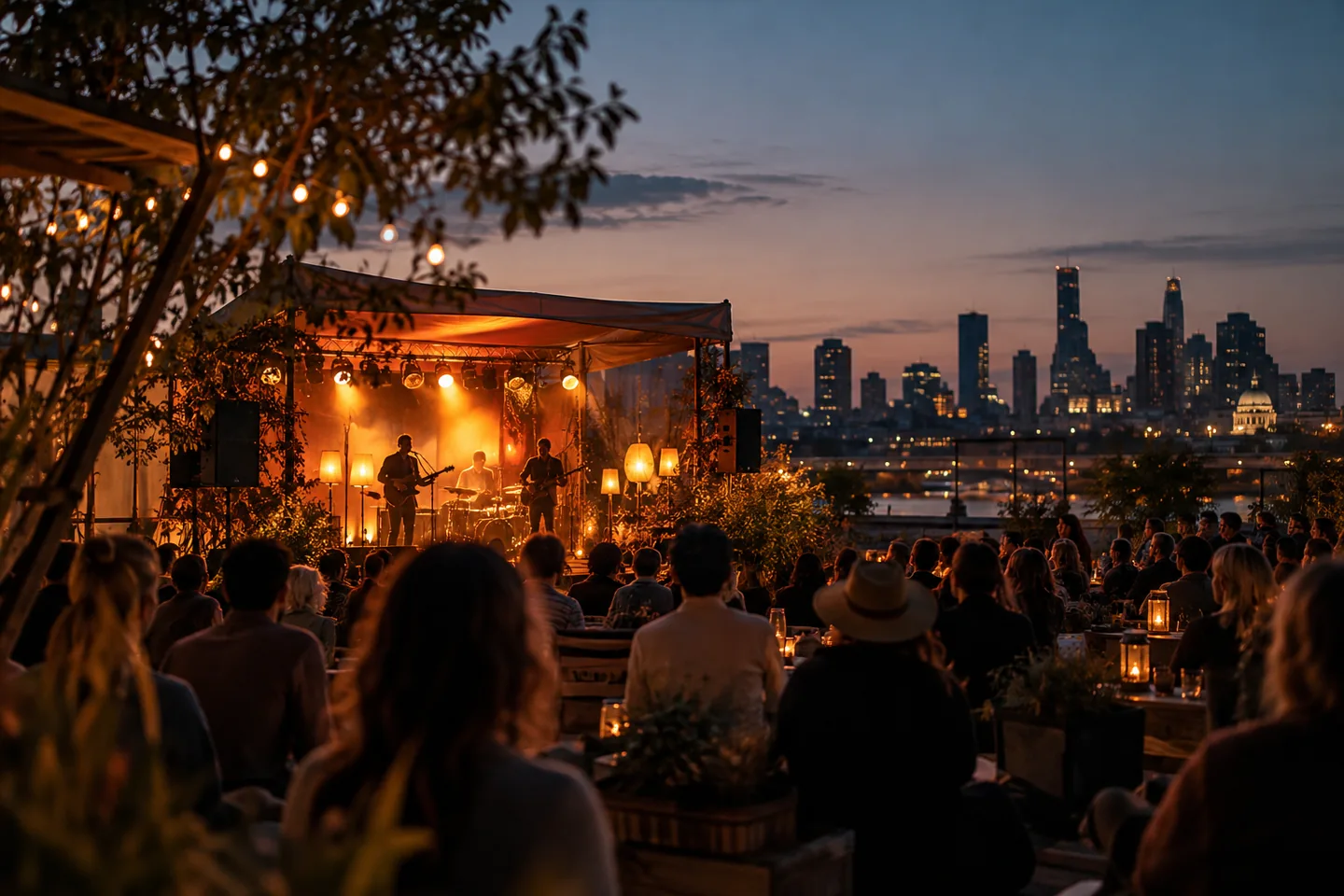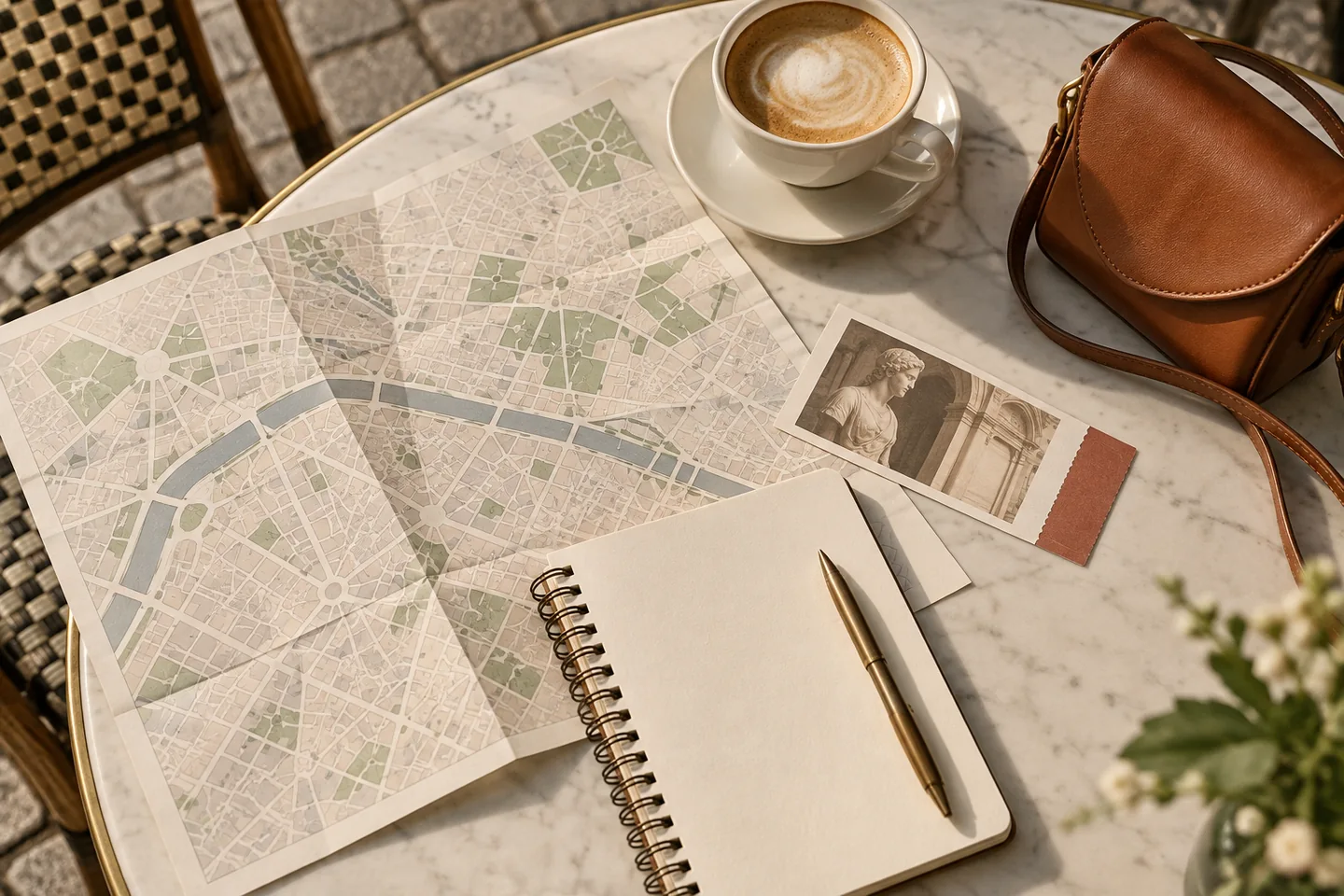
A culture-focused city weekend works best with one fixed experience each day, a compact geographic area and time that remains unbooked. Choose the exhibition or performance you would most regret missing, arrange the practical requirements around it, and let smaller discoveries fill the gaps. A complete schedule is rarely the same thing as a satisfying visit.
The framework below is an adaptable example, not a live itinerary for a named destination. Opening hours, tickets, transport and visitor rules must be checked with the relevant operators. The point is to make decisions in a useful order so that a weekend can absorb delays, changing interests and the ordinary need to sit down.
Choose an anchor and a neighborhood
Start with your strongest interest rather than a list of famous attractions. A photography exhibition, a chamber performance or a design collection can each organize a different weekend. Check whether that anchor is actually available on your dates before choosing nearby activities. A permanent collection may still have room closures, and a venue's general opening hours do not confirm a special program.
Next, identify a manageable area around it. Look for a second cultural space, somewhere to eat, a public place to rest and a workable route back to your accommodation. This cluster is a flexible base, not a boundary you must obey. It reduces repeated cross-city travel and makes it easier to change plans without rebuilding the entire day.
Book the least flexible parts first
Timed admission, a performance seat or an appointment-only studio visit has a different level of commitment from a public square or an ordinary shop visit. Confirm the most constrained activity first, then arrange travel and optional stops around it. Read cancellation, late-arrival and ticket-transfer conditions before paying if these affect your plans.
Keep booking confirmations in one place with official source links. Note when each practical detail was checked, especially if you planned far ahead. Avoid putting two tightly timed admissions next to one another simply because a map shows a short walk. Queues, orientation, breaks and a longer-than-expected response to an exhibition all take time that a routing app cannot predict for you.
Make Saturday a sequence of contrasts
An example Saturday might begin with one booked exhibition, continue with lunch nearby and leave the afternoon for an independent gallery or a neighborhood walk. The contrast matters more than the number of stops. A concentrated indoor visit followed by open space can give you a different kind of attention than another immediate hour of labels and rooms.
Choose one optional activity that can be dropped without regret. If the exhibition holds you longer than expected, keep looking. If you are tired, sit. If a gallery is unexpectedly closed, use the alternative you already identified. Our guide to exploring a city's art scene explains how to find connected spaces without relying on a generic must-see ranking.
Protect the evening from daytime overplanning
If you have a performance booked, treat the afternoon as preparation for it as well as a separate experience. Allow time for food, a return journey if necessary, and the route to the venue. Check whether the evening has different bag requirements from the museum you visited earlier. One day's activities can be compatible culturally while incompatible with the same luggage.
Use our concert and city-event guide to organize the entry checks. Research the route home before leaving for the performance, including the walk from the venue exit to transport. Do not assume that the most convenient arrival route will operate in the same way late at night or during an event departure.
Give Sunday a slower structure
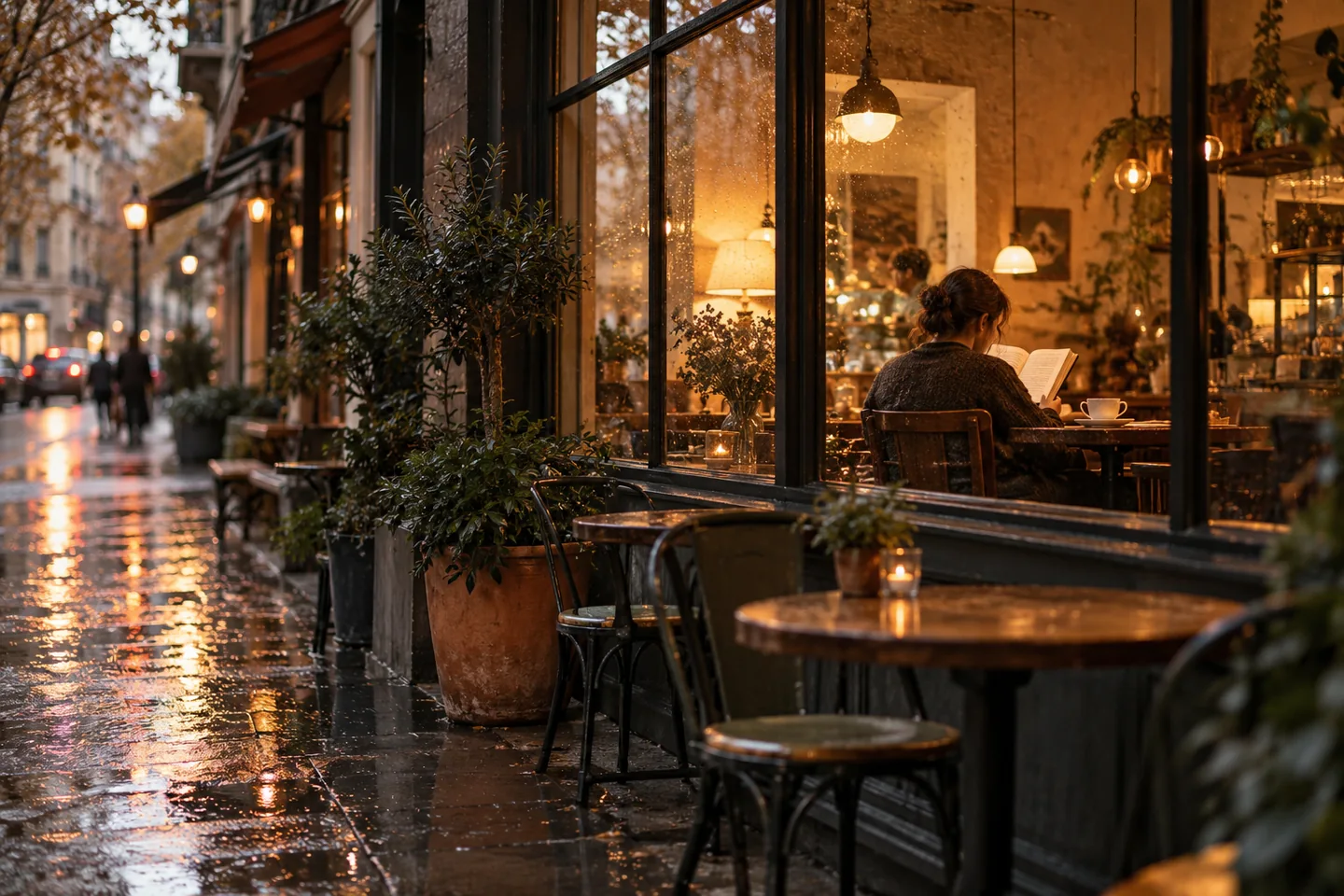
Sunday can begin with a public-space or architecture walk and one main indoor alternative if the weather turns. Choose a route that supports your mobility, energy and interests rather than copying someone else's distance. A station, library, market frontage or courtyard can become part of the cultural day when you look at how it is used.
Keep the final activity close enough to your departure route that it does not consume all your remaining margin. If you have a train or flight, plan backward from the operator's requirements. A final museum visit should remain enjoyable instead of becoming a calculation about how quickly you can leave every room. Sometimes a long lunch and a short walk are the better conclusion.
Solve luggage before it becomes an admission problem
Arrival and departure days often create the awkward interval between transport and accommodation access. Ask your accommodation about its actual storage arrangements, including collection times. If you consider another service, verify its location, permitted items, booking terms and operating hours directly. A gallery cloakroom is not a general luggage-storage solution unless the venue explicitly says so.
For the travel leg, BaggageBase's airline baggage guidance can help identify baggage topics to research. Confirm your allowance with the airline for the fare and journey you booked. Airline rules do not establish what a museum or concert allows through its doors. Treat travel baggage, local storage and venue entry as three separate checks rather than looking for one rule that solves them all.
Budget for the experience you want
Divide the budget into booked commitments, daily essentials and optional spending. Tickets and transport may be predictable after verification; food, publications and spontaneous activities need room for choice. A free exhibition can still require costly transport, and a paid museum may be good value if it is your principal reason for visiting.
Compare complete options rather than entry prices alone. A city pass is useful only when its actual coverage, reservations and terms match your itinerary. Do not fill the weekend with included attractions just to justify a purchase. The right measure is whether the plan gives you the experiences you value within the money, time and energy available.
Use a shared decision sheet
For a group trip, make a short record of the anchor activity, optional stops, access needs, spending commitments and departure plan. Ask each person which experience matters most before making non-refundable bookings. Companions can split up for part of a day and meet again; shared travel need not require identical interests at every hour. Keep the meeting place and time clear, and choose a fallback if connectivity is unreliable. The sheet should reduce negotiation during the visit, not turn the weekend into a rigid assignment. Revise it when new information changes the practical choices.
Leave with a small record, not an unfinished list
At the end, choose a work, a place and a question to remember. Note the artist or institution accurately and retain the relevant link. This creates a route into future reading instead of a sense that the weekend failed because several famous attractions remained unseen.
If you return, revisit one place as well as trying somewhere new. Familiarity can reveal details that a first encounter misses. For a different way to structure the walking time, use our architecture observation guide. A good cultural weekend has a clear center and enough space around it: one encounter worth attention, supported by practical choices that let you stay present.