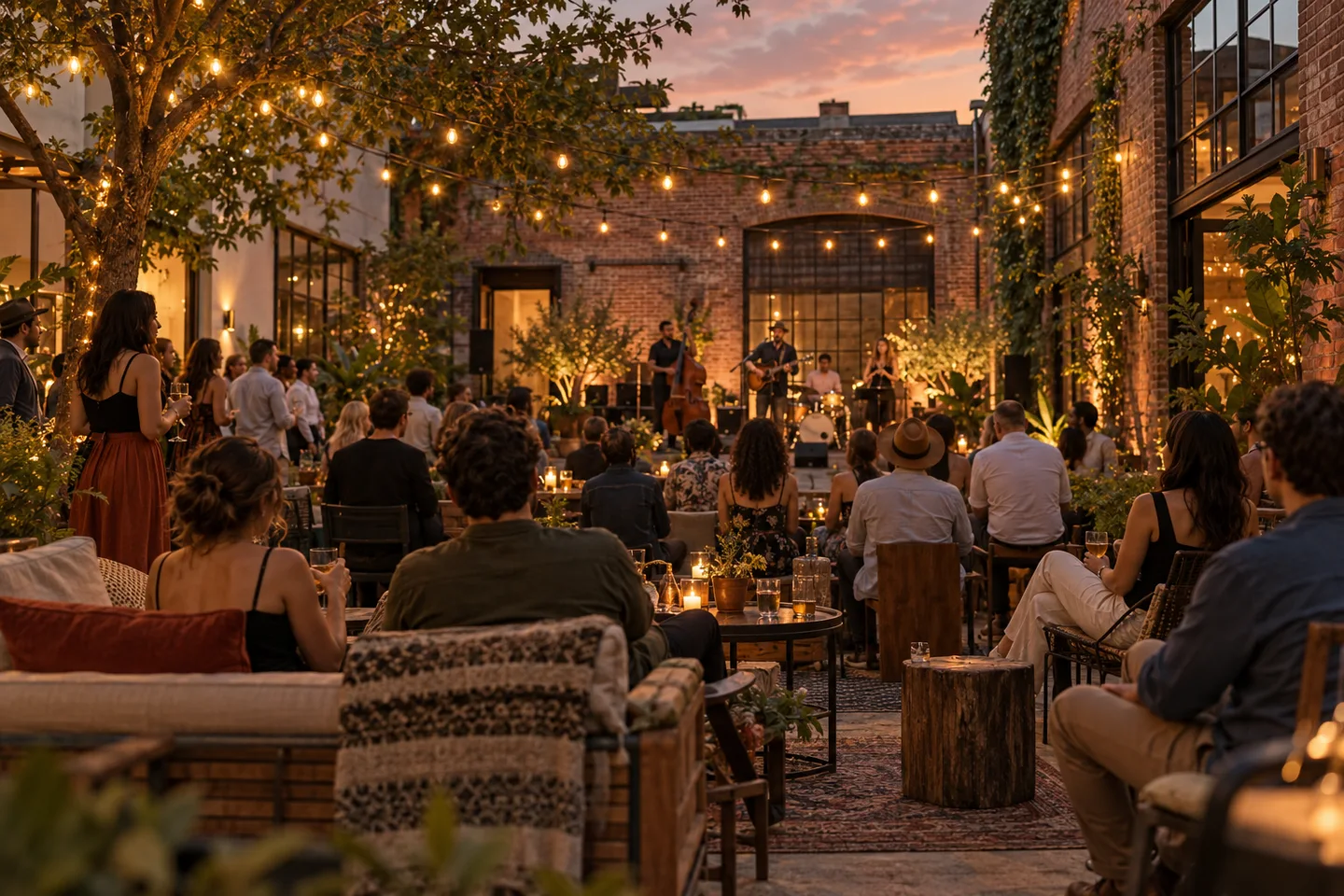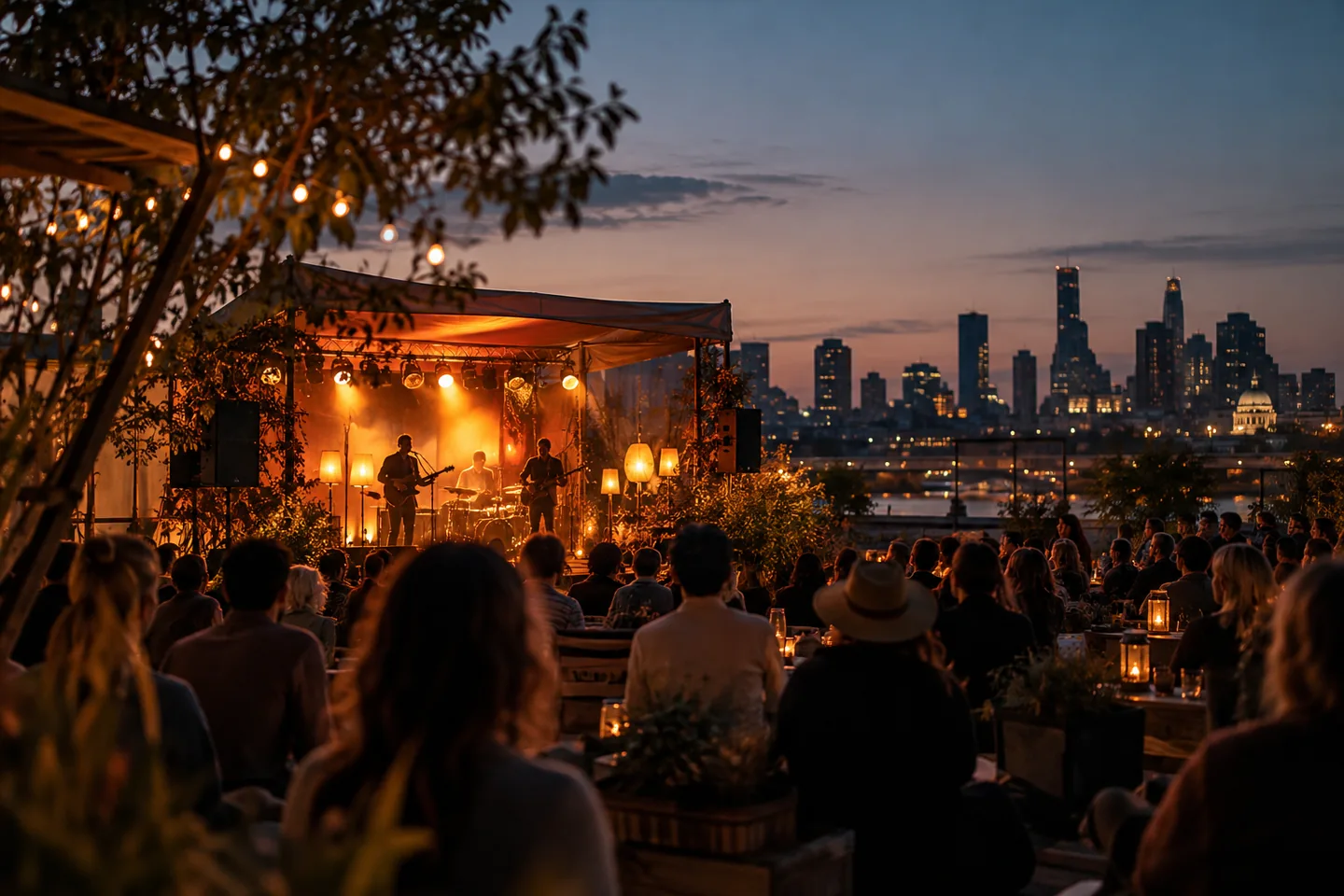
Before a concert or major city event, confirm the ticket, the entry rules and the journey home. These three checks prevent many avoidable problems because they concern different systems: the ticket seller, the event organizer and local transport. Information from one does not automatically settle a question about another.
This guide offers a planning method rather than a universal venue policy. Admission procedures, permitted bags, parking, accessibility and performance schedules vary by event. Use the official event and venue pages for decisions that affect entry, then check them again close to departure when the information is time-sensitive.
Make a single event record
Keep the event name, venue address, performance date, ticket confirmation and official information links together. Distinguish doors-open time from the advertised performance time and any last-admission condition. Do not infer a running order from a previous tour date. Supporting acts, set lengths and entry arrangements can change, and an unofficial fan post is not a promise from the organizer.
Read instructions about ticket delivery before you leave reliable connectivity. Some systems use changing barcodes or require a specific app; a screenshot may not be accepted. Check the seller's instructions for your actual ticket. If someone else bought it, clarify transfers, identification and where your group will meet. Resolve these questions while support channels are available, rather than at a checkpoint.
Choose the route home before the route there
A straightforward afternoon journey can become difficult after the performance. Check the transport operator's current timetable, service notices and the route from the relevant exit. Leave enough margin for crowds, walking and finding the correct platform. A published finish estimate should not become a plan that requires every part of the evening to run exactly on time.
If you drive, research official parking arrangements, permitted arrival times and how vehicles leave after the event. VenueGuideHQ's parking guides can provide a starting point for identifying relevant questions. Confirm prices, booking conditions, closures and access with the parking operator or venue before relying on them. For rideshare, verify the designated collection area instead of assuming a driver can stop at the entrance.
Treat the bag policy as an entry condition
Look for the policy that applies to your specific event and venue. Size limits, clear-bag rules, exceptions and prohibited items should come from current official instructions. Do not assume that a small bag, an expensive ticket or a previous successful visit guarantees admission. Check how necessary medical items are handled if that affects your visit, using the venue's stated contact route.
BagPolicyGuide's venue resources can help you find the kinds of restrictions to investigate. They should not replace the organizer's final instructions. Measure a bag against the published dimensions and check its contents before departure. Avoid counting on a cloakroom, external locker or nearby shop unless the service has been confirmed for your date and the items you need to store.
Plan access as a complete journey
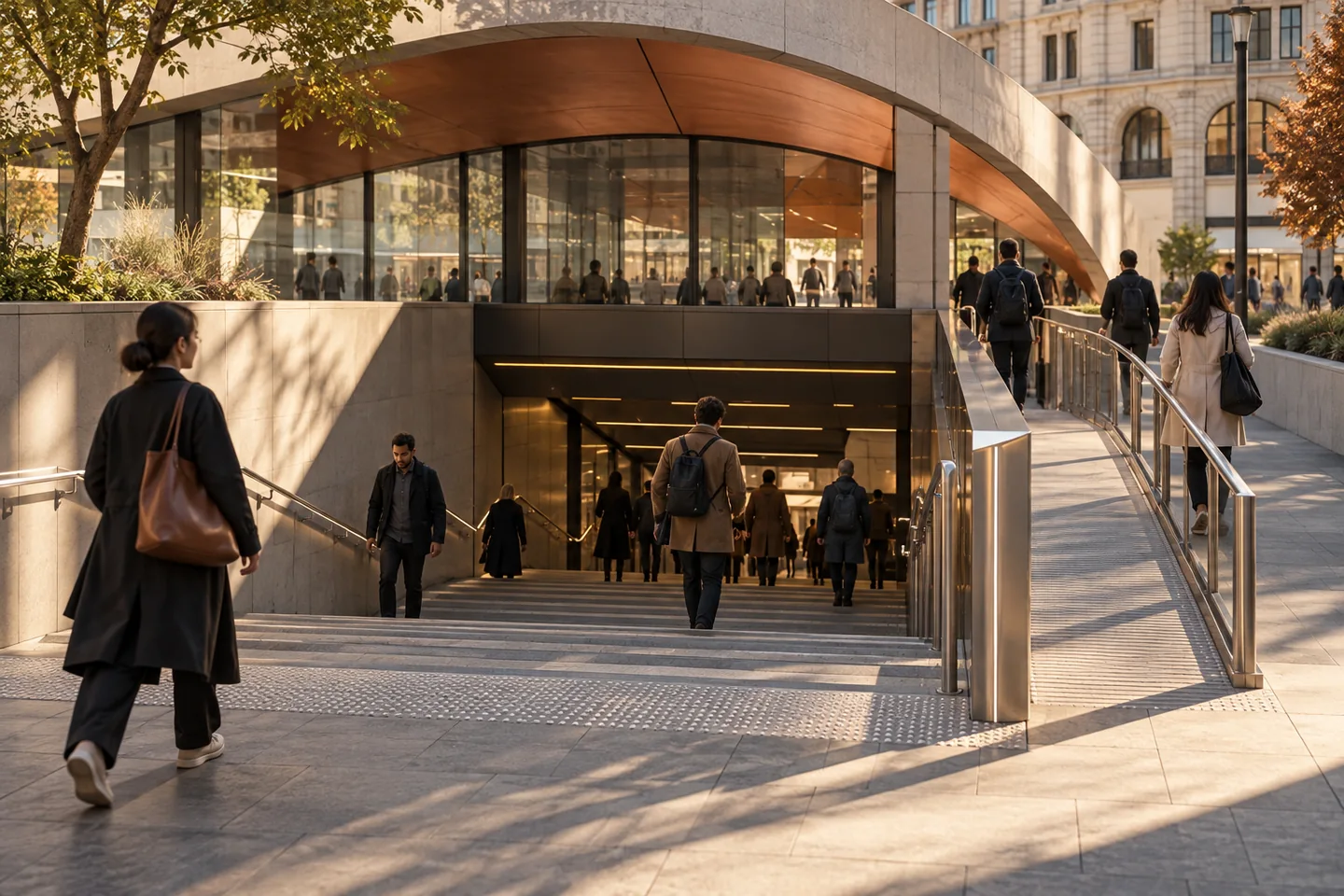
Access begins before the auditorium. Consider the route from transport or parking, entrance procedures, ticket arrangements, seating, toilets and the way out afterward. Ask the venue about uncertain details, including whether a particular ticket category provides the location or assistance you need. Do not buy a standard ticket on the assumption it can automatically be exchanged for an accessible position.
Sensory conditions can also matter. Seek information about sound, lighting, pyrotechnics, quiet spaces and re-entry where relevant. Hearing protection may be useful at loud performances; choose suitable equipment and follow its instructions. If you are attending with companions, discuss breaks and meeting points in advance. Nobody should have to explain a personal access requirement to an entire crowd while trying to move.
Build an arrival buffer around real tasks
Work backward from the time you want to be in your seat or viewing area. Include travel, the walk to the correct entrance, ticket checks, security and locating your section. Choose a buffer that reflects the venue scale and your needs rather than copying a single rule for every event. Earlier arrival may be especially valuable when the venue or ticketing system is unfamiliar.
Check weather forecasts and permitted clothing or equipment close to departure for outdoor events. Think about comfort during both the journey and the waiting period. A venue may restrict umbrellas or certain containers, so use its own guidance when choosing what to carry. Avoid packing speculative extras that create an entry problem and then require a rushed storage decision.
Agree on a simple group plan
Pick a meeting point outside the busiest entrance and another point for after the performance. Describe each clearly enough that someone can find it with a weak phone signal. Make sure everyone has the ticket access they need and understands any transfer restrictions. A plan that depends on one phone working perfectly is fragile.
Discuss how the group wants to experience the event. Some people prefer an early arrival and a settled seat; others want food beforehand or a quieter route. Resolve those differences before the journey. Keep contact details and any essential travel information available in a way that suits your needs. Avoid sharing ticket barcodes publicly when posting about the evening.
During the performance, protect the shared experience
Follow staff directions about aisles, exits, filming and moving between areas. Keep sightlines in mind when holding up a phone. A short personal recording, where permitted, should not make an entire song difficult for the people behind you. If an issue needs attention, approach event staff rather than trying to manage a dispute in a crowded space yourself.
Notice exits and agreed meeting points without obstructing them. If you become separated, use the plan you made instead of moving unpredictably through the crowd. For a festival or standing event, take breaks when needed and use the organizer's welfare information. This is a practical planning suggestion, not a prediction about conditions at any particular performance.
Keep the source chain short
For each uncertain point, identify the organization responsible for the answer. The seller handles ticket delivery; the venue explains entry procedures; the transport operator reports service changes. If information conflicts, contact the responsible organization and keep its response with your event record. Avoid collecting many unofficial summaries that repeat one another without resolving the uncertainty. A short list of clear, current sources is easier to use at departure time than a large folder of screenshots with no dates or provenance. Share the resulting essentials with your group so everyone works from the same plan.
Finish the evening with enough margin
After the show, expect the journey to have its own pace. Follow the designated exit and collection arrangements, recheck services when necessary, and avoid directing a driver into a restricted road. If your original route becomes unavailable, choose a safe alternative based on current operator information rather than following a stream of people without knowing where they are going.
For a wider view of why these gatherings matter, read our essay on live music and urban festivals. For combining a performance with museums and neighborhood time, use the culture-focused weekend guide. Good preparation creates more attention for the event itself: the point of the checklist is to stop thinking about it once you arrive.