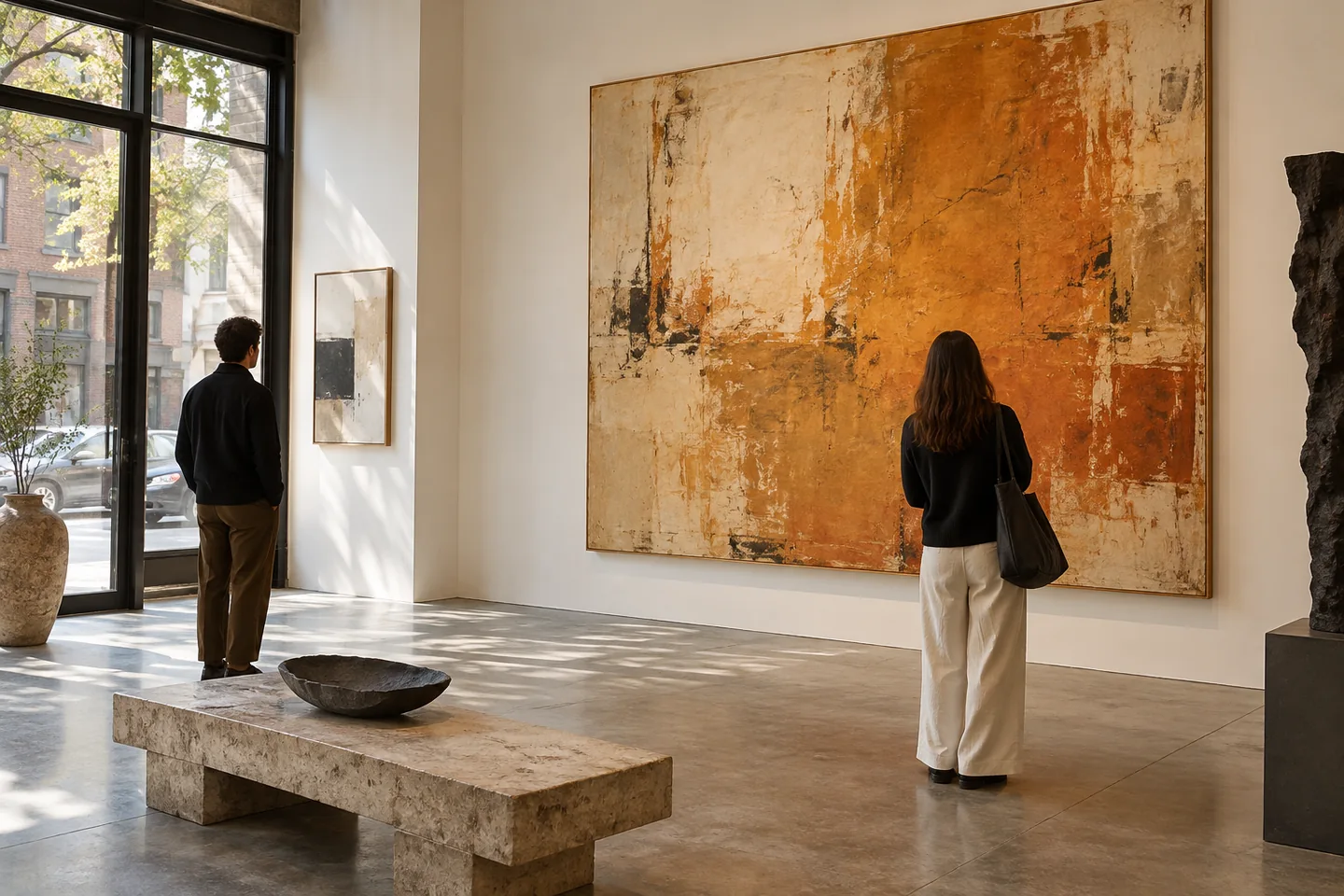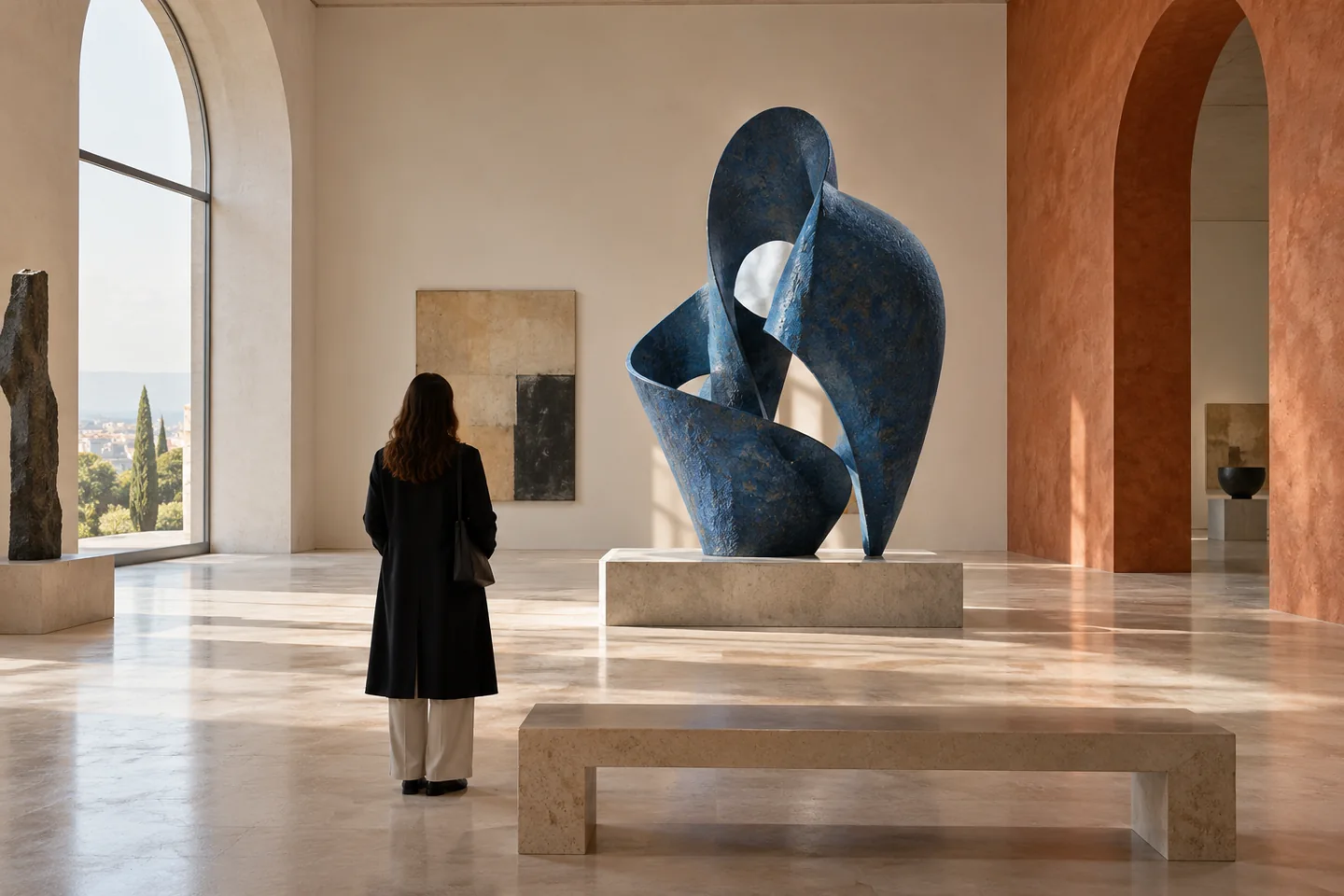
Architecture shapes city life through ordinary decisions about entrances, routes, shelter, seating and visibility. A celebrated facade may attract a visit, but the quality of a daily encounter often depends on less photogenic details: a clear doorway, a shaded bench or a crossing that connects the building to the street.
To understand a place, follow an everyday journey through it. Ask what you can see, where you can pause, which route is available and what changes when conditions become difficult. This method does not require architectural training. It turns an abstract judgment about good design into a set of observations a reader can examine.
Begin at the edge of the building
The relationship between a building and the pavement establishes an initial invitation. Is the entrance visible? Can you tell whether the space is public, ticketed or private? Are the signs legible before you reach a decision point? A transparent wall might look welcoming while leaving the actual doorway difficult to find.
Observe the transition rather than judging appearance alone. Notice steps, ramps, doors, security and changes in surface. Different people may experience that same sequence differently. If you describe a building as accessible, identify the specific features you have verified and avoid treating a photograph as a complete access assessment. A step-free entrance says nothing by itself about lifts, toilets or the route to a particular gallery.
Follow a route, not a floor plan
A plan shows connections in abstraction; a visit reveals how easily those connections can be understood. From the entrance, look for the next useful destination. A reception desk, stair or courtyard can help orient a visitor. Conflicting signs or unclear thresholds can make a small building surprisingly difficult to navigate.
Try describing a route in plain language. If it requires a chain of exceptions, the wayfinding may be placing a heavy burden on visitors. That does not establish why the problem exists: alterations, operational decisions and temporary works may all play a part. Separate the observed difficulty from your explanation. For an actual visit, use the building operator's current map and access information rather than relying on an architectural review.
Notice where people can stay
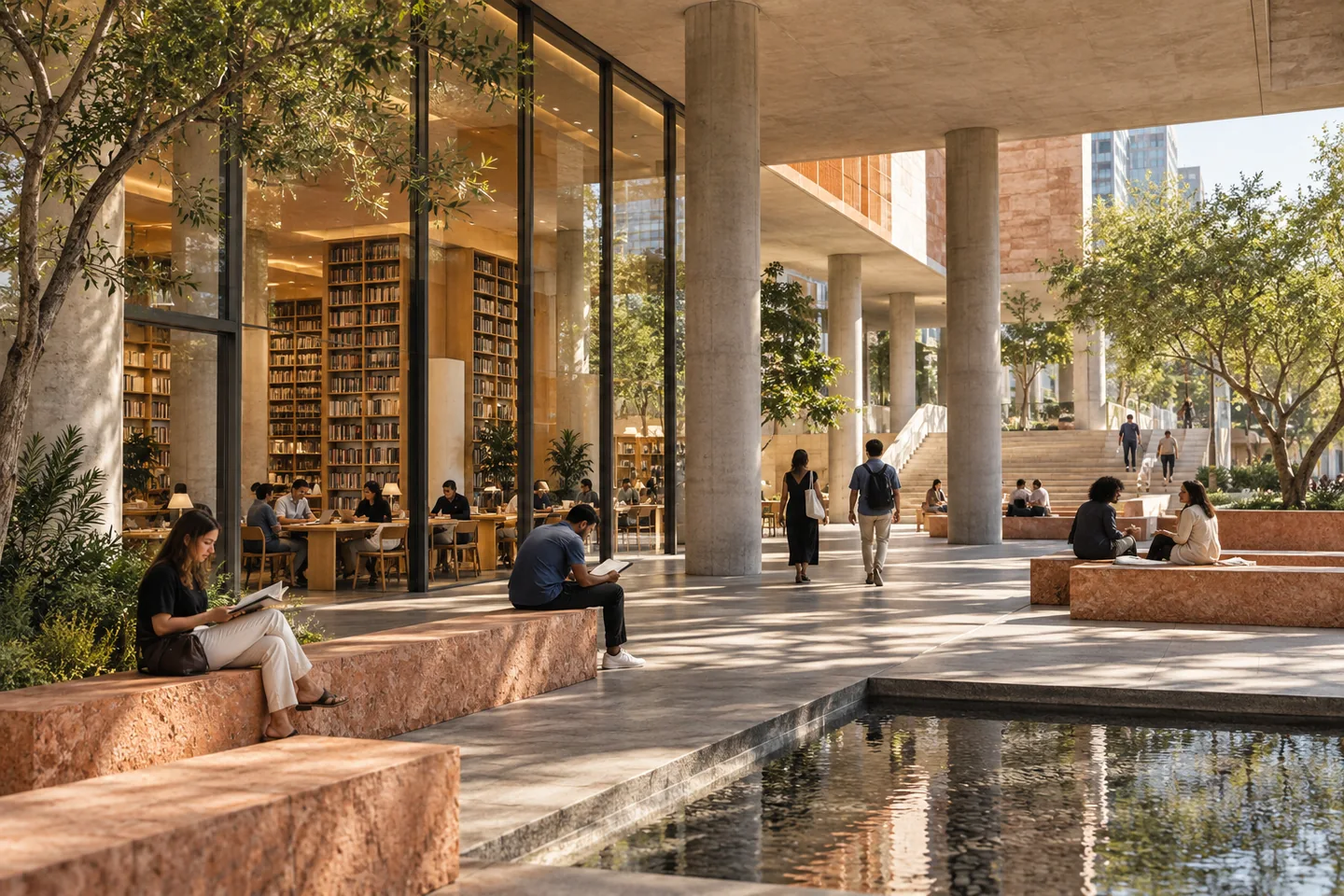
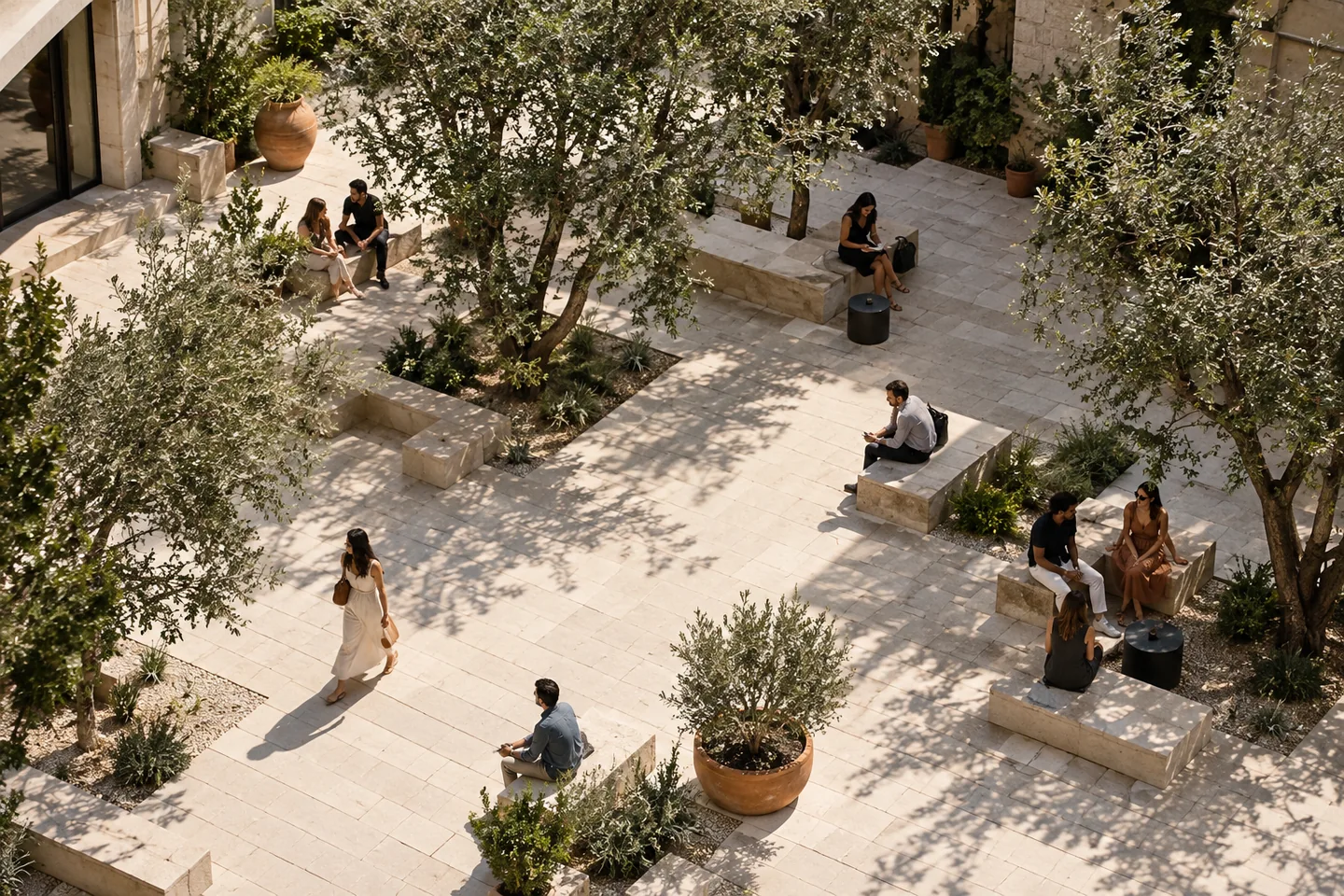
Circulation is only one part of public life. People also need places to wait, meet, rest and watch. Look at the location and variety of seating, whether there is shade or shelter, and whether stopping requires buying something. A beautiful plaza can work differently for a brief photograph and a half-hour wait.
Consider several imagined users: someone carrying shopping, an older person taking a break, a parent organizing a group, a visitor waiting alone. These scenarios are a reading exercise, not evidence about actual users' preferences. They help you notice what a setting makes easy or difficult. The next step would be listening to people who use the place rather than assuming your own experience represents everyone.
Public space has social as well as physical rules
An open-looking square may have restrictions on hours, photography, assembly or commercial activity. A privately managed courtyard can provide useful public access while retaining conditions that differ from a municipal street. Look for posted information and avoid inferring ownership from paving or landscaping.
UNESCO's discussion of culture and people-centered urban policy situates culture within wider questions of inclusion and public life. Our practical interpretation is to ask who can use a space, for what purposes and under which conditions. The design of a bench matters, but so does whether a person is allowed to remain there without making a purchase.
Cultural buildings need ordinary infrastructure
A museum or performance venue may be designed around extraordinary experiences, yet its practical infrastructure shapes whether those experiences are available. Toilets, cloakrooms, ticket queues, quiet areas and clear exits are part of the cultural encounter. They are not simply backstage matters for operations staff.
Before visiting, ask the specific questions that affect your day. Can a mobility device follow the exhibition route? Is seating available during a long installation? Where can a group regroup without blocking circulation? Our exhibition visiting guide translates these questions into a plan. Avoid assuming that a famous architect or an impressive lobby guarantees that every practical detail has been resolved for every visitor.
Read materials through use and maintenance
Stone, timber, glass and concrete have visual character, but their experience changes with touch, weather, sound and wear. Observe a threshold after rain, a handrail in regular use or a surface where people wait. Maintenance choices can preserve a design's intended clarity or create new obstacles.
Do not diagnose technical failures from an image alone. A stain may have several causes; a cracked surface does not tell you the condition of a structure. Describe what is visible and seek qualified evidence for engineering claims. For an editorial walk, you can still ask useful questions about repair: is a damaged route clearly marked, does a temporary barrier preserve access, and can visitors find an alternative without retracing the whole journey?
Compare the same place under different conditions
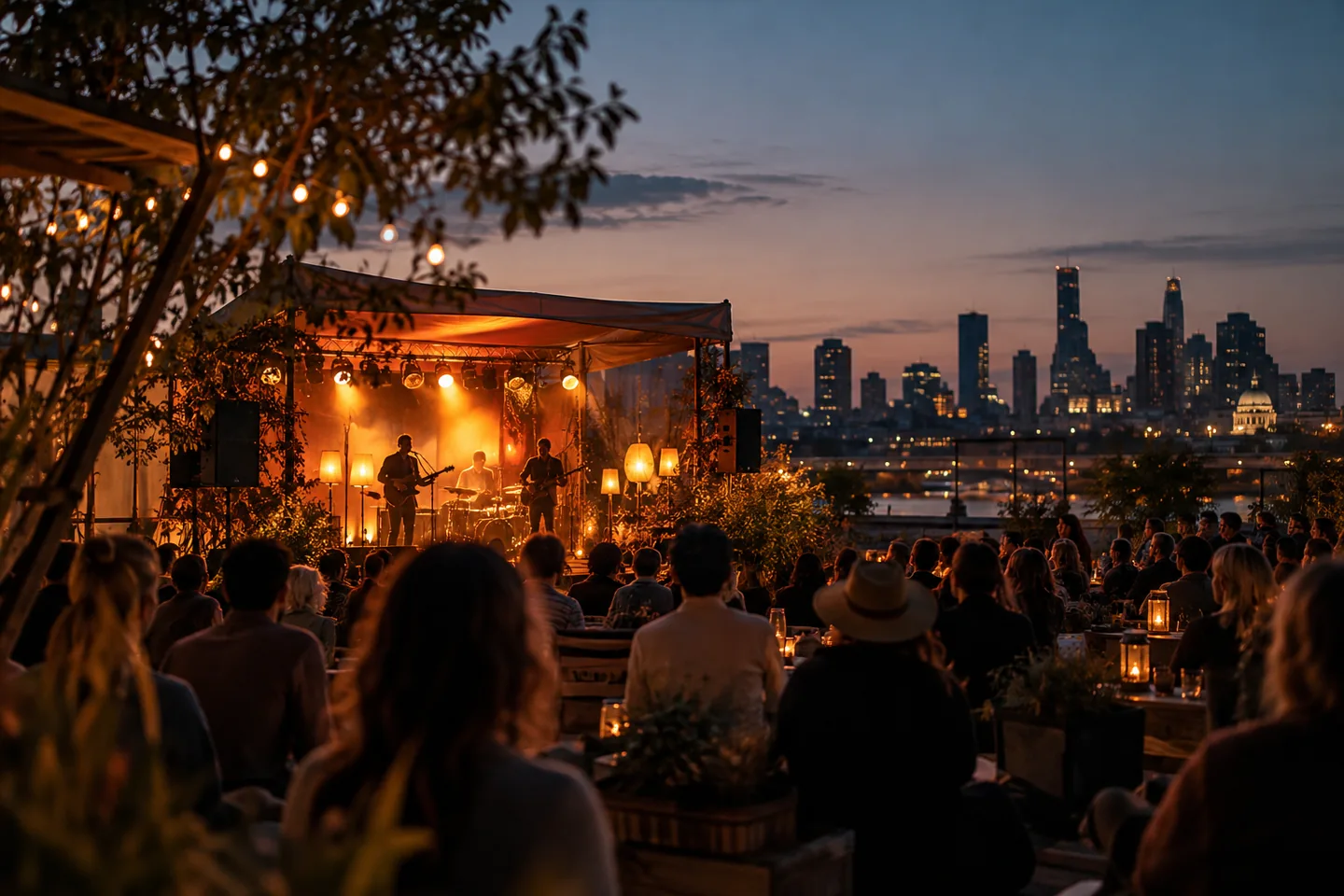
A sunny lunchtime photograph offers a narrow view of a building's performance. Evening light, winter weather, a busy event and a quiet morning may reveal different qualities. If you can return, observe one specific change rather than collecting general impressions. Does the entrance remain legible after dark? Is there a sheltered place to wait when it rains?
If you cannot revisit, state the conditions of the observation. Avoid turning “comfortable when I passed through” into “comfortable throughout the year.” This distinction makes an architectural description more credible. It also suggests practical advice for travelers: investigate the conditions you will actually encounter, especially for an outdoor route, rather than choosing solely from idealized promotional imagery.
Compare a designed invitation with actual information
A broad stair may look like a natural gathering place, but the building operator might restrict sitting there. A courtyard may appear public while closing at a stated hour. Put visible design cues beside the available rules before describing a space to someone else. If the information is unclear, name the uncertainty instead of resolving it through intuition. This approach is especially useful when recommending a meeting point or planning a group route. The place should work operationally as well as visually for the activity you have in mind.
Use a small observation notebook
Choose five headings: arrival, movement, rest, information and departure. Under each, write one concrete observation and one unanswered question. For example: “The main door is visible from the crossing; I could not identify the step-free route from that approach.” That note is more useful than a vague verdict that the building feels welcoming or confusing.
Connect the exercise to our culture-focused city weekend by making the walk between destinations part of the day. A library entrance, station concourse or market edge can reward attention without becoming another booked attraction. Architecture becomes easier to discuss when you can explain what a place enables, under which conditions and for whom your observations may be incomplete.