Street style records the negotiation between personal taste and daily conditions. Weather, work, movement, money, available shops and social belonging all shape what people wear. A city can influence those choices without having a single uniform. The most revealing observation is often a practical detail rather than a dramatic outfit.
To read style thoughtfully, resist treating a neighborhood as a mood board. Clothes belong to people with lives beyond an image. This feature offers ways to understand dress through context, material and movement while keeping a clear distinction between observation, historical evidence and interpretation.
Start with what the clothes need to do
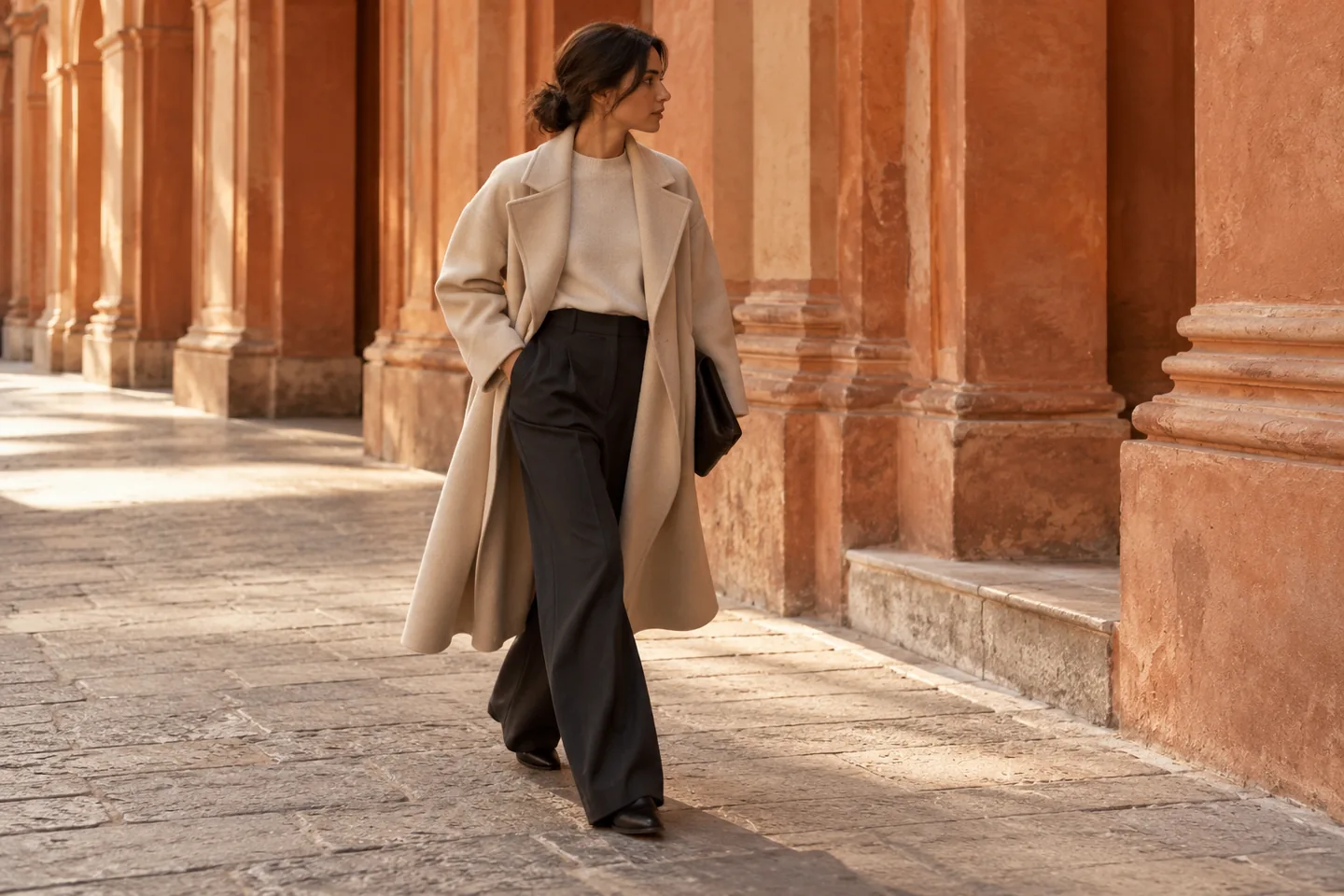
Look at how an outfit works through a day. Shoes may suit long walks, cycling or a standing job. A coat may need to handle rain and an overheated train. A bag may carry work equipment or groceries rather than complete a visual concept. These demands help explain repeated choices without reducing the wearer to a stereotype.
Try comparing the same street at different times. A morning commute and an evening performance can produce very different silhouettes. Neither view alone represents the city's authentic style. Your sample is limited by when and where you look. State that limitation when describing a trend, especially if your evidence comes from a few fashionable blocks rather than sustained observation.
Follow places where clothes circulate
Shops are one part of a fashion system. Tailors, alterations counters, markets, secondhand stores, repair workshops and family exchanges also shape a wardrobe. They influence which garments remain available and how people adapt them. A shortened hem or replaced fastening can reveal as much about daily style as a new collection.
Explore these places respectfully. A shopkeeper may welcome questions, but their working day is not an open interview appointment. Ask before photographing a display or recording a conversation. If you write about a business, verify its name and what it actually offers. Avoid calling a place a community institution simply because its interior looks old or its signage photographs well.
Recognize histories without assigning identities
Fashion histories can help explain how materials and silhouettes acquire meaning. The V&A's Mary Quant collection connects her designs with changes in youth fashion and the British high street. That is a specific documented history. It does not mean every short skirt today communicates the same intentions or belongs to the same cultural moment.
Use history to formulate questions rather than label strangers. Does a contemporary outfit reinterpret a silhouette, or are you merely noticing a surface resemblance? Is a garment connected to a music scene through evidence, or because that association is familiar to you? Similar appearances can emerge through different routes. Clothing can carry cultural meanings while still leaving the wearer's own explanation unknown.
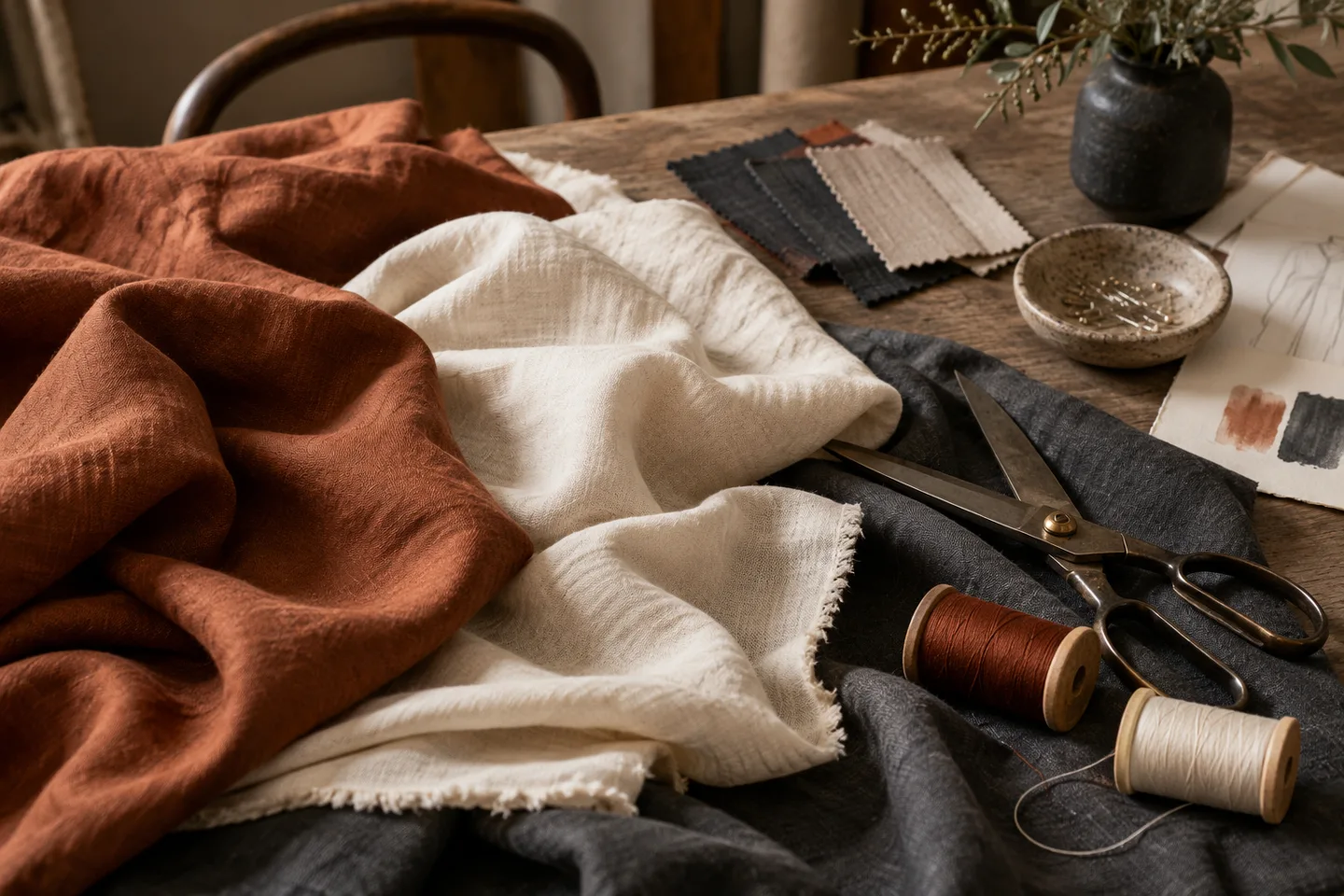
Climate and transport complicate the fashion image
A photograph freezes an outfit at its most legible moment. Daily use introduces complications: wind, a crowded bus, a bicycle chain, a long stairway or a wet pavement. A striking garment may work beautifully in motion; another may require adjustments the image conceals. Observing these relationships makes fashion analysis more concrete.
Compare how people layer, carry shoes, fasten coats or protect delicate materials. Do not assume that practical clothing represents a lack of style. Adaptation can itself be a form of design intelligence. If you are planning your own cultural outing, begin with the route and conditions, then choose clothes that let you participate comfortably rather than building a day around protecting an outfit from the city.
A neighborhood is not a fixed aesthetic
The visual identity of a district can change with rents, retail, migration, education, nightlife and who is able to remain there. A fashionable image may highlight one population while overlooking others. Calling a neighborhood minimalist, rebellious or luxurious can turn a selective observation into a claim about everyone who uses the place.
Look for contrasts instead. Workwear beside formal dress, old repairs beside new fabrics, performance costumes beside commuting layers: these coexistences are part of city life. Ask what your chosen images leave out. A useful essay can describe a limited scene precisely without presenting it as a complete portrait. Being specific about the street, occasion and viewpoint gives a reader more information than a sweeping citywide label.
Photograph people as people
If someone is the subject of your photograph, ask permission and explain how you intend to use it. A person may agree to a private image and decline publication. Respect that distinction. Avoid using long lenses or hurried candid shooting as a way around an obvious refusal. With children, take particular care and seek appropriate permission rather than treating a fashionable outfit as sufficient reason to publish.
Ask whether the image needs an identifying caption. Do not infer someone's profession, gender, income, nationality or cultural affiliation from clothing. If they supply a description, represent it accurately and within the permission given. For private observation exercises, you can note color combinations or garment shapes without recording faces or identifying details at all.
Read the difference between clothes and their presentation
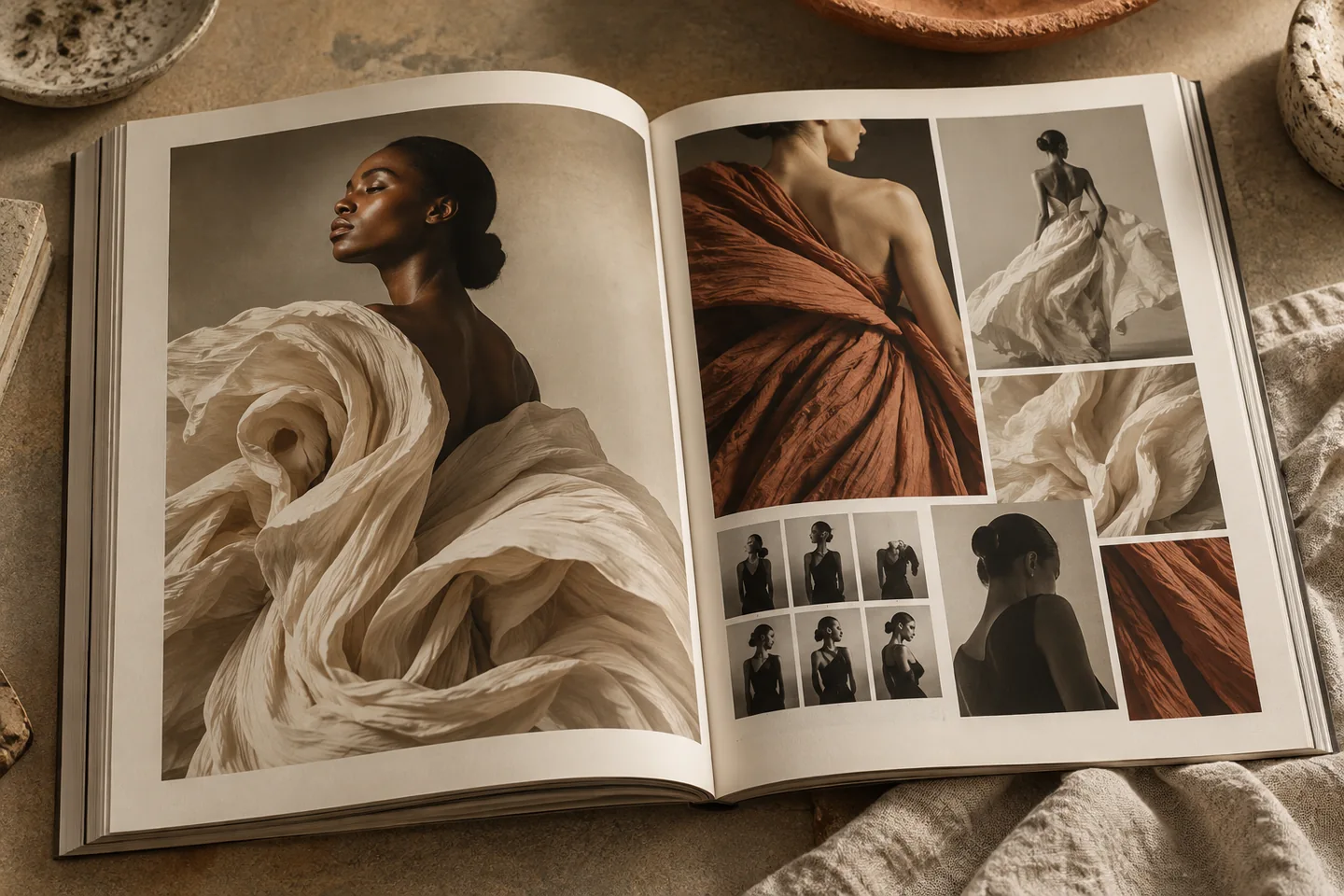
Editorial fashion and street observation use different selection processes. A styled image may involve borrowed garments, planned lighting and a controlled location. A street photograph may still be carefully selected, cropped and edited. Neither image is a transparent record of how an entire city dresses.
Our feature on fashion-publication imagery explores how setting, sequencing and captions build a visual story. When reading such images, separate what the photograph shows from what its framing encourages you to believe. A beige wall and a tailored coat can create an impression of restraint without proving anything about the subject's lifestyle. Interpretation becomes stronger when it acknowledges the work done by the image itself.
Try a material-based city walk
Choose a material or practical detail instead of a demographic label: repaired denim, waterproof layers, knitted accessories or shoes suited to cycling. Observe where and how it appears, keeping notes general and non-identifying. Then investigate one documented history or making process that helps explain the detail. The exercise keeps attention on clothes while reducing the temptation to invent biographies for their wearers. It can also reveal how a familiar item works across different social settings. Finish with a question rather than a verdict about what everyone in the neighborhood wears.
Build a personal vocabulary instead of a costume
If you want to take inspiration from a city, collect relationships rather than exact looks. Notice a proportion, an unexpected color pairing or a useful way to layer. Ask whether it suits your own movement, climate and existing clothes. An observation becomes more valuable when you can adapt it without buying an entire identity.
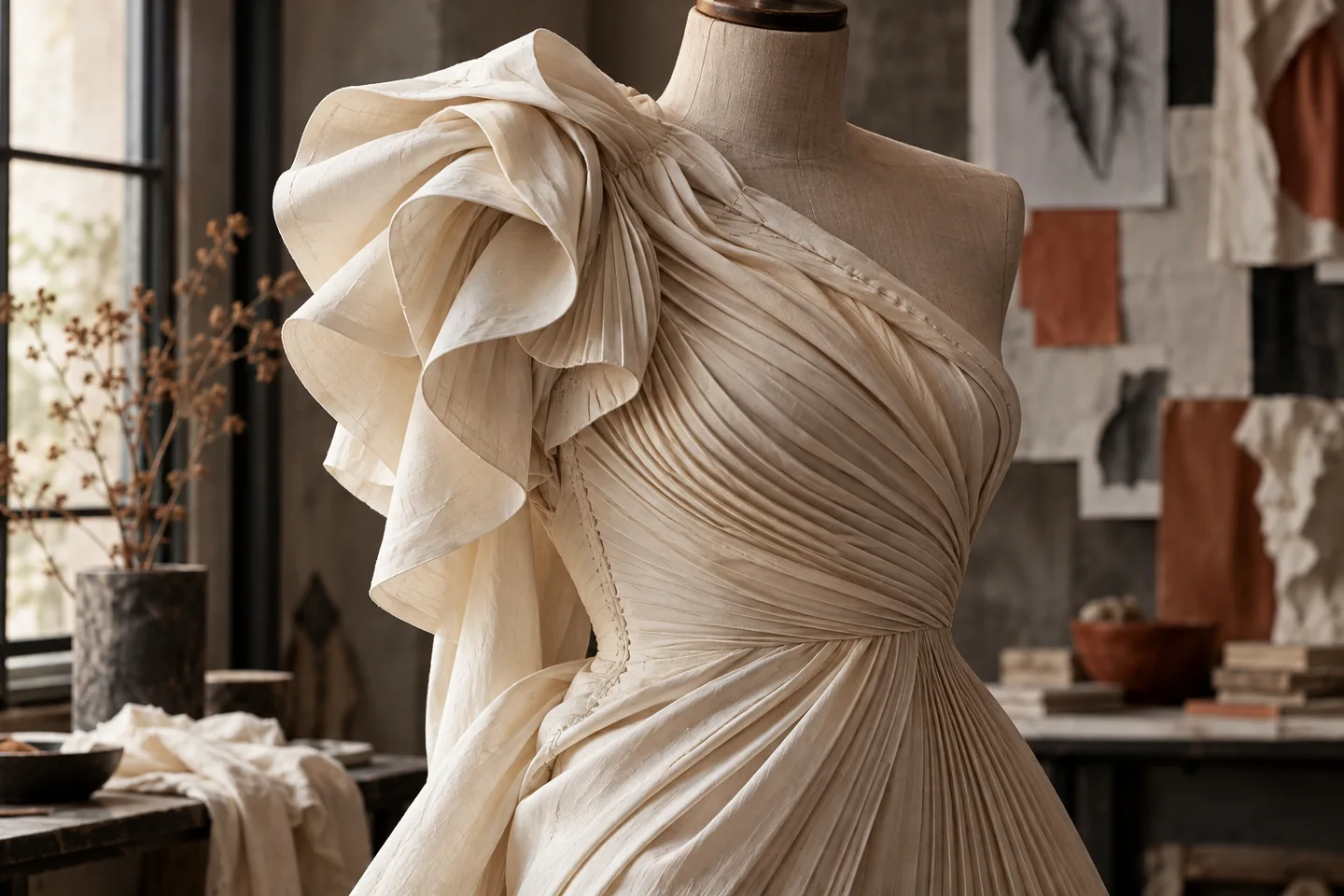
Look again at garments you already own. Could an alteration improve how one works? Could a different combination reveal its shape? This is a practical suggestion, not a claim that every wardrobe problem has a simple solution. Our couture silhouette study offers another vocabulary for looking at line and volume. The street supplies a complementary lesson: clothes become meaningful through use, and use is always more varied than a single photograph can contain.